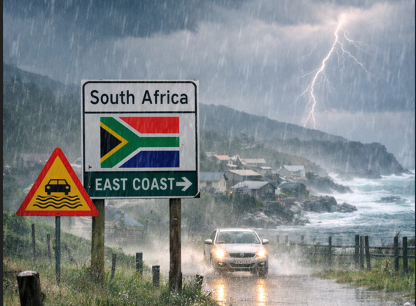
Cape Town – Parts of South Africa are expected to experience above-normal rainfall in winter and early spring, with the eastern coastal regions likely to receive the most significant increases, according to the South African Weather Service (SAWS).
In its Seasonal Climate Watch for June to October 2026, SAWS said: “During the winter seasons, it is only the south-western, southern and eastern coastal areas that receive significant rainfall. The eastern coastal areas are expected to receive above-normal rainfall during winter and early spring, whilst below-normal rainfall is expected for the south-western and southern regions.”
The weather service said the forecast is influenced by the El Niño-Southern Oscillation, which is currently in a neutral phase but is expected to shift towards El Niño conditions within the coming months.
SAWS warned that while increased rainfall could improve water availability in some regions, it may also lead to localised flooding. “Such conditions are likely to relieve pressure on water-scarce regions… however, intensive rainfall may overwhelm stormwater and sewage systems, resulting in flash floods,” the report said.
At the same time, most parts of the country are expected to experience above-normal minimum and maximum temperatures during the forecast period. SAWS cautioned that this could increase water loss, heat-related health risks, and cooling demand, particularly in early spring.
The weather service also highlighted possible health impacts, noting that heavier rainfall may contribute to “waterborne diseases and water-related injuries,” while hotter conditions could increase risks for vulnerable groups, including children, the elderly, and outdoor workers.
“Warmer conditions may also increase ultraviolet exposure during clear-sky periods,” SAWS added, warning of risks such as sunburn and long-term skin damage.
Follow African Insider on Facebook, X and Instagram
Picture: Copilot
For more African news, visit Africaninsider.com
Compiled by Betha Madhomu