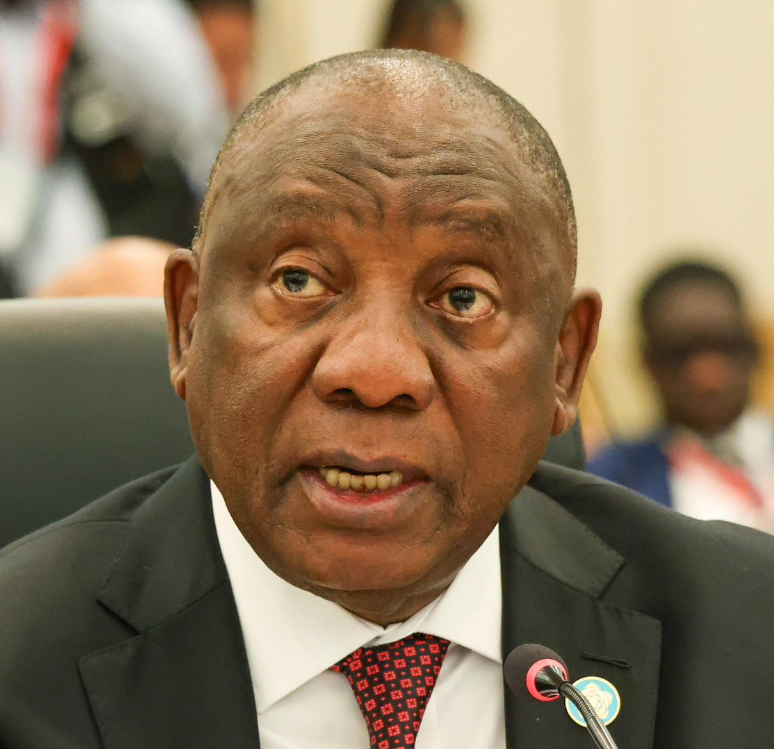
Johannesburg – Tensions are reportedly mounting within the African National Congress (ANC) over its crushing losses in the 2026 local government elections, President Cyril Ramaphosa’s future and whether the party should continue working with the Democratic Alliance (DA).
The divisions come ahead of Thursday’s National Executive Committee (NEC) meeting in Boksburg, where the party is expected to consider its approach to coalition negotiations after failing to secure outright control of any of the country’s eight metropolitan municipalities.
According to IOL, some ANC members in Gauteng are increasingly opposed to working with the DA in Johannesburg, arguing that tensions between the two parties at national level could undermine municipal governance.
“There is growing frustration within our structures about the prospect of going into coalition with the DA in Johannesburg,” an ANC insider reportedly said.
The source added: “It’s a serious pain to work with the DA, trust me.”
Municipalities
Another ANC source warned that the political tensions within the Government of National Unity (GNU) could spill over into municipalities.
“What is happening in the GNU is exactly what some of us fear will happen in local government. We cannot afford to take the same political battles into municipalities. Johannesburg cannot become another battleground,” the source said.
The Sunday Times reported that Ramaphosa himself urged ANC leaders at a Monday National Working Committee meeting to explore a Johannesburg coalition without the DA.
Gauteng leaders have reportedly favoured working with ActionSA instead, although the ANC is expected to approach the DA as part of the coalition process.
In Johannesburg, the DA secured 34.79% of the vote, ahead of the ANC on 20.25% and ActionSA on 16.27%. The figures leave the DA needing a coalition partner to govern the country’s economic hub.
ANC secretary-general Fikile Mbalula has described the party’s election performance in stark terms.
National support
“And if anyone has not heard what the people are saying through this election, then we are lost. This has been a very catastrophic outcome for the ANC,” Mbalula said.
Reuters reported that the ANC’s national support fell to 30.76%, from 45.59% in 2021, while the DA received 24.64%. The sharp decline means coalition governments will be required in significantly more municipalities than after the previous local elections.
Mbalula has called on the ANC to accept the voters’ verdict and put its house in order.
“When the people tell us we have fallen short… the honest answer is not to argue with them but to go home and put our house in order,” he said, according to Reuters.
The ANC’s relationship with the DA is also emerging as a major fault line within the party. BusinessTech, citing Bloomberg, reported that some ANC NEC members believe the 2024 coalition with the DA contributed to the party’s electoral losses and are pushing for the partnership to be reconsidered.
Layer of uncertainty
Questions about Ramaphosa’s leadership have added another layer of uncertainty. IOL reported that he had reportedly offered to vacate office during discussions with the ANC’s top seven leaders, although ANC leaders have since rejected suggestions that he is preparing to resign.
For now, the immediate priority is coalition formation. The ANC must decide whether to work with the DA, seek partnerships with smaller parties such as ActionSA, or sit in opposition in municipalities where it cannot form a viable administration.
The NEC meeting is therefore likely to set the tone not only for Johannesburg and other hung councils, but also for the future of the ANC’s relationship with the DA at national level.
Follow African Insider on Facebook, X and Instagram
Picture: X/@PresidencyZA
For more African news, visit Africaninsider.com
Compiled by Betha Madhomu