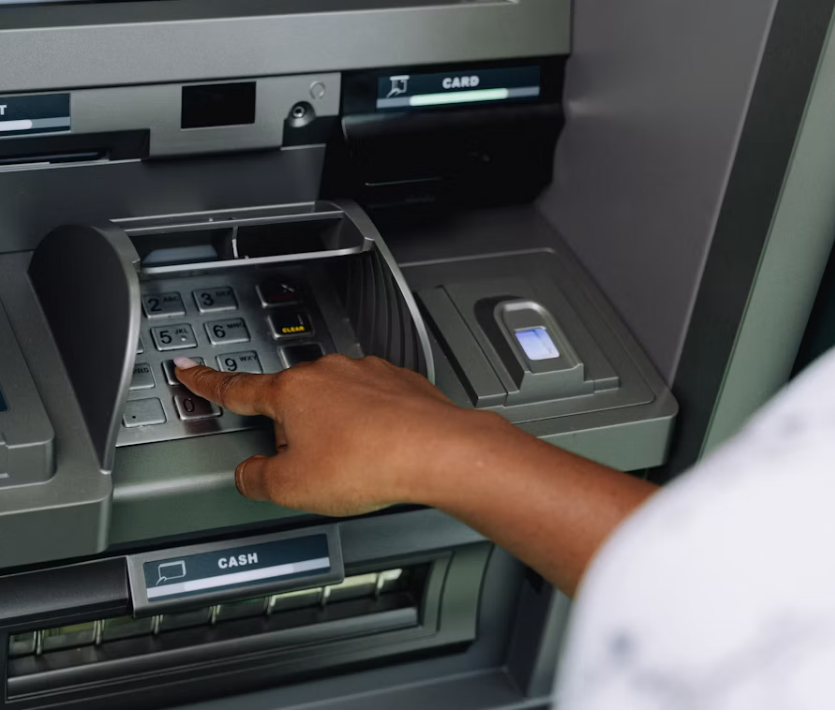
Johannesburg – South Africans are increasingly moving away from traditional banking infrastructure as digital payments grow and banks reduce their ATM and branch footprints.
According to BusinessTech, the decline in cash usage is forcing banks to reconsider the role of ATMs, with traditional bank-owned machines increasingly being replaced, reduced or relocated as customer behaviour changes.
The shift is also evident in banking branches.
IOL reported that Standard Bank is accelerating its move towards cashless branches in 2026, following a decline in cash transactions across several regions.
Standard Bank Personal and Private Banking CEO Kabelo Makeke said: “Our customers are telling us very clearly how they want to engage with us.”
He said cash usage had declined significantly in many areas while demand for digital banking and advisory services had increased.
“This is about remodelling access points,” Makeke said, adding that customers would still be able to transact in cash where necessary through ATMs, cash centres and selected branches.
Cashless society
The reduction in ATM infrastructure is occurring alongside a broader shift towards electronic payments. Banks have increasingly encouraged customers to use banking apps, cards, instant payments and retail cash services instead of traditional branches and ATMs.
However, the South African Reserve Bank (SARB) says the country is unlikely to become completely cashless.
News24 reported that the central bank estimates the annual cost of using cash at about R90 billion, including transaction fees, travelling to access cash, crime-related losses and the costs of handling and distributing physical money.
The SARB said: “For millions of South Africans — particularly those in rural areas, informal markets and lower-income households — cash is the most accessible, trusted and practical means of payment.”
It added: “It is not anticipated that South Africa will become a cashless society.”
Instead of eliminating cash infrastructure, the SARB is proposing a major overhaul of how ATMs operate.
Cash Smart Strategy
In a separate News24 report, the central bank outlined plans for a national cash utility and a network of white-label ATMs that would allow customers from different banks to use the same machines.
The proposed system would make ATMs less dependent on individual banks and could reduce duplication in the country’s cash infrastructure.
Pradeep Maharaj, head of the SARB’s Payments Ecosystem Modernisation Programme, described the planned changes as “a very radical transformation of the industry.”
The SARB has separately confirmed that white-label ATMs form part of its Cash Smart Strategy, which aims to maintain access to cash while reducing the cost of distributing and accessing it.
The central bank says the strategy will particularly focus on underserved rural and low-income communities as commercial banks rationalise their ATM networks.
South Africa’s banking system is therefore not simply abandoning ATMs. Instead, the infrastructure is being reshaped as consumers increasingly turn to digital banking while cash remains an important payment method for millions of people.
Follow African Insider on Facebook, X and Instagram
Picture: Unsplash
For more African news, visit Africaninsider.com
Compiled by Betha Madhomu