Johannesburg – The Tunisian dinar retained its position as Africa’s highest-valued currency against the US dollar in September 2026, while the South African rand ranked eighth on a list of the continent’s 10 strongest currencies.
According to Business Insider Africa, which used data from the Forbes currency calculator, the Tunisian dinar traded at about 2.96 dinars to US$1.
The Libyan dinar followed at 6.39 per dollar, while Morocco’s dirham ranked third at 9.63. Ghana’s cedi was fourth at 11.63, followed by Botswana’s pula at 13.67.
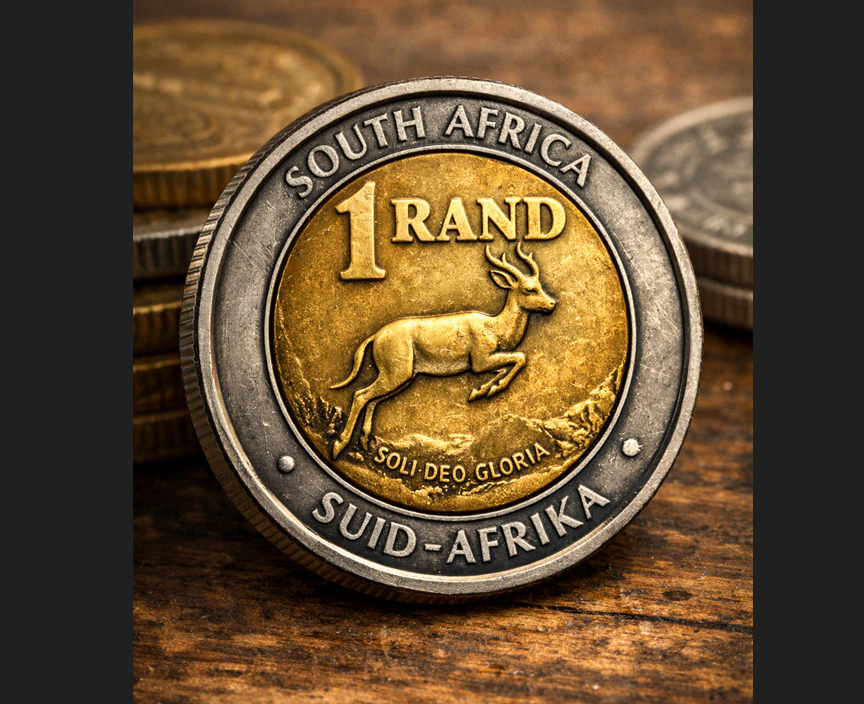
The Seychellois rupee ranked sixth at 13.82 to the dollar, with the Eritrean nakfa seventh at 15. The rand was eighth at R16.41 to US$1, followed by Eswatini’s lilangeni at 16.42 and the Namibian dollar at 16.43, according to Radar Africa.
Businesses and consumers
Business Insider Africa noted that “a stable currency offers certainty for businesses and consumers”, particularly in economies dependent on imported fuel, machinery, food and other commodities. It also reported that Kenya’s shilling remained relatively stable, with the Central Bank of Kenya quoting it at KSh129.48 per dollar on September 24.
The rand showed periods of strength during the month, gaining about 0.2% on September 10 to trade at R16.0250 per dollar before remaining broadly stable as investors awaited inflation data and the South African Reserve Bank’s interest-rate decision.
More broadly, Pulse Ghana reported that the Tunisian, Libyan and Moroccan currencies had also occupied the top three positions in August, although exchange rates have since shifted.
The currency picture remains sensitive to international and domestic developments. Reuters reported on October 1 that the rand weakened in early trade as investors awaited South Africa’s September manufacturing and vehicle-sales data.
A higher nominal currency value, however, does not necessarily mean a stronger economy. The ranking simply measures how many units of a local currency are needed to buy one US dollar. As Radar Africa noted, “this does not mean the countries with the highest-valued currencies necessarily have Africa’s strongest economies”.
Currency stability can nevertheless help reduce the local cost of dollar-priced imports and ease pressure from imported inflation, while excessive currency strength can make exports more expensive in international markets.
Follow African Insider on Facebook, X and Instagram
Picture: Copilot
For more African news, visit Africaninsider.com
Compiled by Betha Madhomu