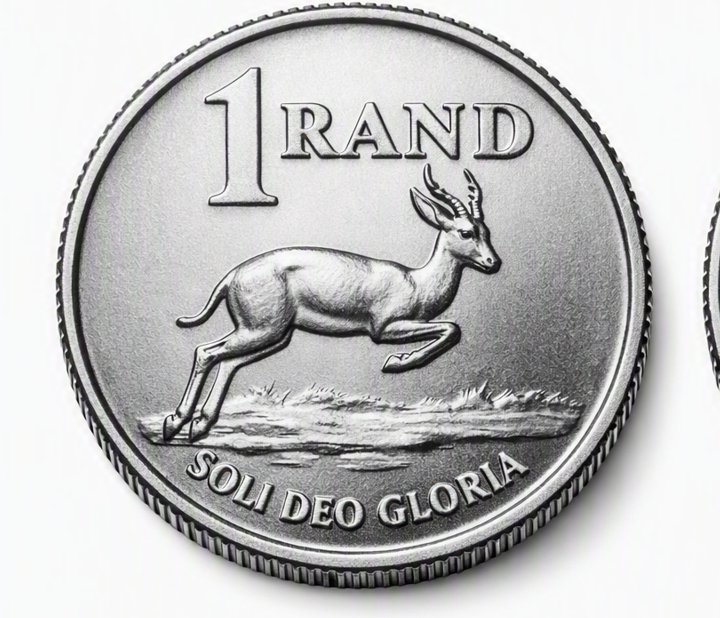
Johannesburg – The rand came under renewed pressure on Thursday, weakening beyond the R16.60-to-the-dollar level as investors awaited key South African economic data and continued to assess the impact of elevated oil prices and global geopolitical tensions.
The currency’s latest decline has raised concerns about further weakness, with the dollar-rand exchange rate moving through the R16.60 level after coming under sustained pressure in recent weeks.
The rand was trading at about R16.49 to the US dollar at 07:09 GMT on Thursday, down roughly 0.3% from the previous close, according to Reuters.
The report said that investors were waiting for South Africa’s September manufacturing Purchasing Managers’ Index (PMI) and vehicle sales figures, which could provide fresh indications of the strength of the domestic economy.
The currency has also been affected by global risk sentiment, with the stronger US dollar and uncertainty surrounding the Middle East conflict weighing on emerging-market currencies. Investec said earlier in September that the intensification of the conflict had pushed the rand towards R16.20/$ as the US dollar benefited from safe-haven demand.
Price shocks
The pressure comes after the South African Reserve Bank raised its benchmark interest rate by 25 basis points to 7.25% in September. Governor Lesetja Kganyago said the conflict had triggered “large and sustained” price shocks and that tighter policy was needed to prevent inflation from becoming entrenched.
Higher oil prices are another concern for South Africa, which is a net fuel importer. BusinessTech reported in September that rising oil prices and a weaker rand had pushed fuel-price under-recoveries sharply higher, with petrol 95 facing an indicated increase of about R3.01 per litre and diesel 0.005% about R3.08 per litre at the time.
The weaker currency therefore adds to existing pressure on motorists and businesses because a weaker rand makes dollar-denominated oil imports more expensive.
The rand’s performance was also being closely watched against the backdrop of forthcoming domestic data, while the Top-40 index was down about 0.5% in early trade and the benchmark 2035 government bond yield had risen to 8.85%.
The latest move leaves the rand facing a combination of global geopolitical uncertainty, elevated energy costs, a strong US dollar and domestic economic weakness, with markets watching closely for signs of whether the currency can stabilise or come under further pressure.
Follow African Insider on Facebook, X and Instagram
Picture: Copilot
For more African news, visit Africaninsider.com
Compiled by Betha Madhomu