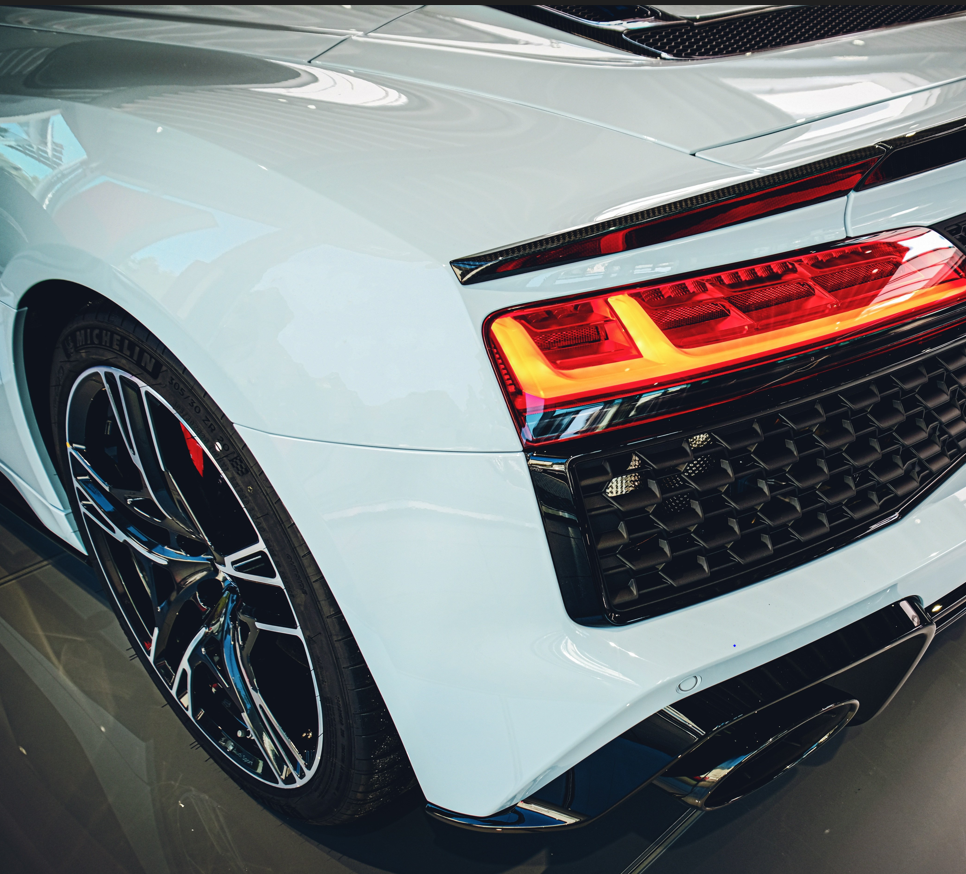
Cape Town – Audi’s new-vehicle sales in South Africa have plunged by 76% over the past 12 years, highlighting the mounting pressure on traditional luxury car brands as affordability concerns and competition from Chinese manufacturers reshape the local automotive market.
According to Daily Investor, Audi sold a record 18,375 vehicles in 2014, but now sells fewer than 450 units a month, based on the latest industry data.
The German automaker, which was once associated with premium design, performance and status, has struggled amid weak economic growth and a shift towards more affordable vehicles.
Data published by Business Times reinforces the decline. Audi sold 1,512 vehicles in February 2013, compared with 319 in February 2026.
Mercedes-Benz experienced a similar slump, with monthly sales falling from 1,574 to 459 over the same period. BMW Group, including Mini, recorded 1,237 sales in February 2026, down from 2,423 in February 2013.
The figures indicate that traditional premium brands are losing ground even as South Africa’s overall new-vehicle market remains active.
Chinese brands gain momentum
The growing popularity of Chinese manufacturers is adding to the pressure on established luxury brands.
Daily Investor reported that, in September 2026, GWM sold approximately 2,700 vehicles in South Africa, while Jetour recorded 2,036 sales and BYD sold 659. BMW sold 1,396 vehicles during the same month, compared with 509 for Mercedes-Benz.
The trend is also reflected in BusinessTech’s analysis, which found that Audi, BMW, Mini and Mercedes-Benz collectively sold 74,015 vehicles in 2014, compared with 23,881 in 2024 — a decline of 68%.
By contrast, Chery, Haval and Suzuki increased their combined sales from 8,127 vehicles in 2014 to 89,416 in 2024.
The National Automobile Dealers’ Association (NADA) attributed the shift partly to affordability pressures, telling BusinessTech that the market was becoming increasingly price-sensitive.
“The South African vehicle market is increasingly price-sensitive, with affordability remaining a challenge due to high inflation, interest rates and fuel costs,” NADA said.
Chinese brands have attracted buyers by offering competitive prices, modern technology and extensive features, while economic pressures have made premium vehicles harder for many households to justify.
Audi seeks to defend its position
Despite the decline in sales, Audi South Africa has indicated that it intends to remain a major player in the premium segment.
In April, Engineering News reported that Audi sold 5,350 vehicles in 2025, giving it a 17% share of South Africa’s premium market and placing it ahead of Mercedes-Benz.
Audi South Africa managing director Markus Schuster said the company wanted to maintain its second-place position despite difficult market conditions.
The company is focusing on retaining existing customers, attracting new buyers through additional models and offering financing options to improve affordability.
However, Audi faces a market that has become increasingly competitive, with more brands giving consumers alternatives to traditional German luxury vehicles.
Its challenge will be to protect its premium identity while convincing buyers that its vehicles offer sufficient value in a market where affordability increasingly influences purchasing decisions.
Follow African Insider on Facebook, X and Instagram
Picture: Pixabay
For more African news, visit Africaninsider.com
Compiled by Betha Madhomu