Cape Town – The South African Reserve Bank (SARB) has kept the repo rate unchanged at 7.25%, opting to pause further monetary tightening despite a sharp rise in inflation and continued pressure from fuel costs.
The decision was announced on Thursday, 19 November, at the Reserve Bank’s final Monetary Policy Committee (MPC) meeting of the year.
Four MPC members voted to keep rates unchanged, while three favoured a 25-basis-point increase, highlighting the closely contested decision. The prime lending rate remains at 10.75%.
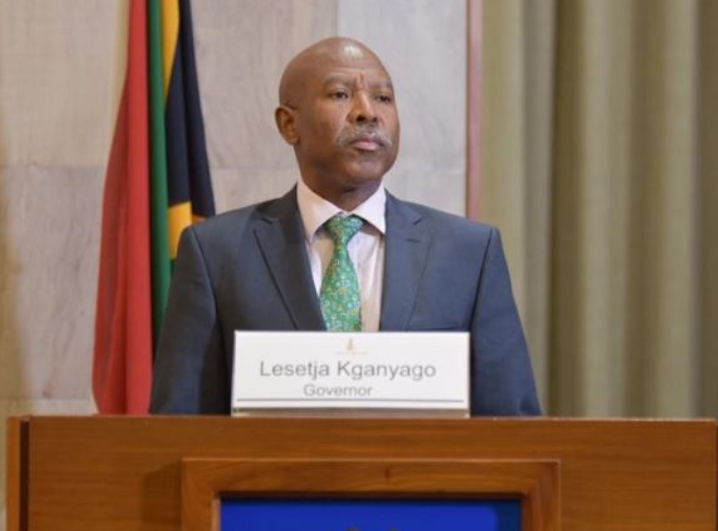
Governor Lesetja Kganyago said the MPC had decided to pause “for now”, but warned that the Bank remained prepared to tighten policy if necessary.
“We are mindful of risks, and will not hesitate to raise rates if needed, to return inflation to target over the policy horizon,” Kganyago said.
The decision came a day after Statistics South Africa reported that annual consumer inflation accelerated to 5.2% in October, up from 4.5% in September and its highest level in roughly two and a half years.
The increase was driven largely by transport costs, with fuel becoming the biggest contributor to inflation. The news agency reported that most economists had nevertheless expected the Reserve Bank to hold rates, with 24 economists in a pre-meeting poll forecasting a hold and three predicting a hike.
The Reserve Bank said the inflationary pressure was mainly linked to fuel. Fuel inflation is currently around 40%, while petrol prices are close to R30 a litre, compared with about R21 a year ago.
“High inflation prints, over 5%, are expected to persist into early next year,” Kganyago said, although the Bank expects inflation to ease thereafter as the impact of higher fuel prices begins to fall out of the comparison base.
The Bank was balancing worsening inflation against the need to avoid placing additional pressure on an already fragile economy. It confirmed that the prime lending rate would remain at 10.75%.
Economic growth
The Reserve Bank also flagged several risks to the inflation outlook, including global oil prices, geopolitical tensions, a weaker rand, food-price pressures and the potential impact of El Niño-related weather conditions.
Despite these risks, the Bank said its policy stance remained moderately restrictive following two rate increases earlier this year.
Kganyago described 2026 as a difficult year, saying inflation had been higher than initially expected while economic growth remained weak and unemployment increased.
“We trace this mainly to negative supply shocks from geopolitical conflicts,” he said. “It is unclear how conditions will evolve from here.”
The Business Day report said the Reserve Bank expects economic growth to recover gradually to about 2% annually over the forecast period, although it continues to see downside risks. The Bank’s latest projections also indicate that inflation could return to its 3% target later than previously expected.
The SARB’s next interest-rate decision is scheduled for 28 January 2027.
Follow African Insider on Facebook, X and Instagram
Picture: X/@SAgovnews
For more African news, visit Africaninsider.com
Compiled by Betha Madhomu