Cape Town – The South African government is considering extending its temporary fuel levy cut beyond the original April deadline as rising global oil prices — driven by ongoing conflict in the Middle East — threaten further fuel price hikes.
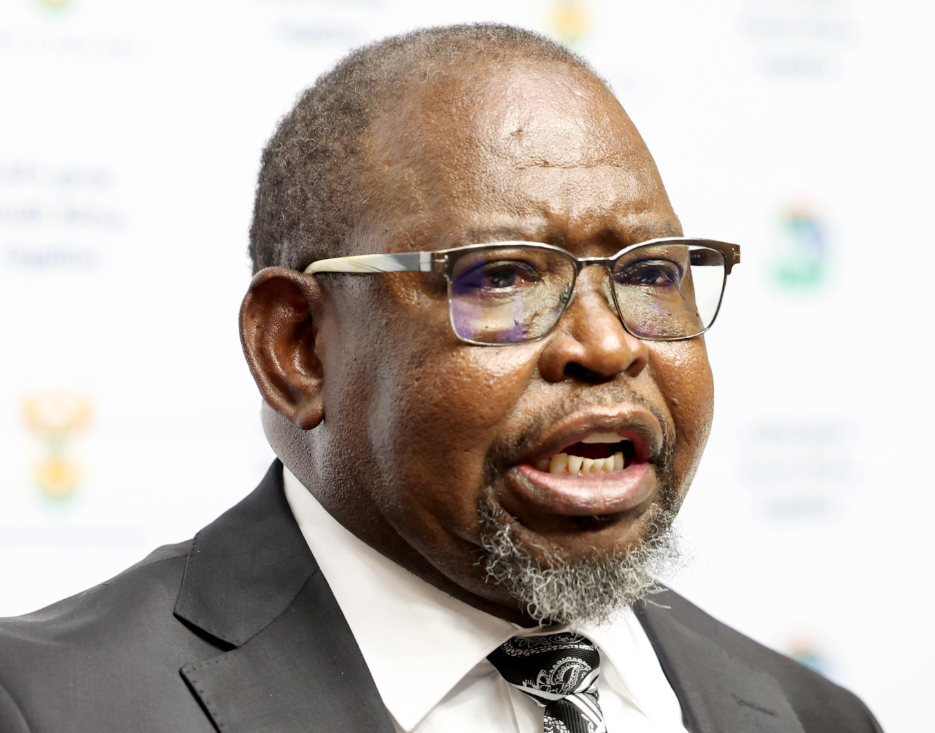
As reported by The Citizen, Finance Minister Enoch Godongwana warned that while short-term relief may be extended, the state cannot afford long-term support, saying “the fiscus can’t afford any support, longer-term support” and adding that “we simply don’t have the money to do so.”
The one-month fuel levy cut, introduced in April at a cost of about R6 billion, was intended to cushion motorists and businesses, but Treasury says any extension would place further strain on already stretched public finances.
Godongwana said the government will reassess the situation at the end of April and decide whether to extend the measure beyond 5 May.
Meanwhile, the South African Revenue Service (SARS) has increased the diesel refund rate for on-land primary sector users from 80% to 100%, allowing qualifying farming, forestry and mining operators to reclaim all eligible fuel levies and the Road Accident Fund (RAF) levy on diesel used from 1 April 2026.
According to BusinessTech, The change, linked to rebate item 670.04 of the Customs and Excise Act, follows a 2025 announcement by Finance Minister Enoch Godongwana aimed at easing pressure on key industries after fuel levy hikes.
SARS said the system has now been updated to process claims at the new rate, with the adjustment taking effect from VAT submissions due in May 2026.
The full refund comes amid rising fuel costs driven by global oil price spikes following the Middle East conflict, with diesel prices already surging sharply in 2026.
However, claims will not include the temporary R3 per litre fuel levy relief introduced in April.
SARS also confirmed ongoing efforts to modernise the Diesel Refund System through a digital platform aimed at improving efficiency and reducing fraud. The agency said all supporting documentation must still be retained, and incorrect claims may be recovered with penalties.