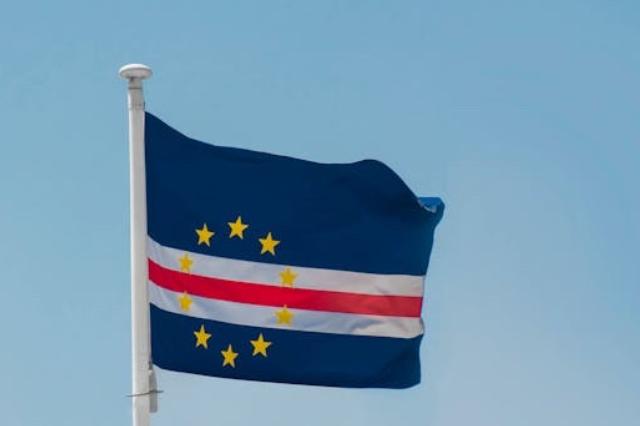
Praia – Cape Verdeans began voting Sunday in legislative elections whose outcome appeared uncertain as five parties go head to head with Prime Minister Ulisses Correia e Silva seeking a third term.
Under Cape Verde’s parliamentary system, the party that receives the most votes will choose the head of government, who dominates the executive, with the president, currently Jorge Maria Neves, having the role of arbitrator.
The 63-year-old Silva, who took office in 2016, secured a second term after the 2021 elections, won by his centre-right Movement for Democracy (MpD).
His party will notably go up against the African Party for the Independence of Cape Verde (PAICV), led since 2025 by the mayor of the capital Praia, Francisco Carvalho.
Three other parties are also competing for the 72 seats in the National Assembly in the single-round ballot.
The around 470,000-strong electorate began voting at 8.20 am (0720 GMT), with polling stations scheduled to close at 6:oo pm and preliminary results expected by late evening.
Presidential elections are slated for November when Neves, backed by the PAICV, will seek re-election for a second five-year term.
Cape Verde, an archipelago of 550,000 inhabitants in the middle of the Atlantic Ocean which declared independence from Portugal in 1975, is some 600 kilometres (380 miles) off the coast of Senegal in west Africa.
Since the first free elections in 1991, the country has enjoyed relative calm with no electoral violence, despite seeing two five-year periods of political cohabitation between different parties heading the government and the presidency.
The country however faces significant social challenges, including poverty and youth unemployment.
Follow African Insider on Facebook, X and Instagram
Picture: Pexels
For more African news, visit Africaninsider.com
Source: AFP