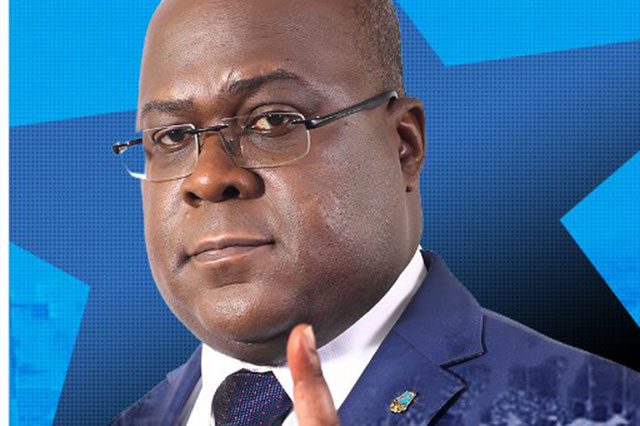
Kinshasa – DR Congo President Felix Tshisekedi is preparing to pass a law which could open the door to a third term in office by amending the constitution but he may face protests in the street.
Tshisekedi, 63, comes to the end of his second — and under the current iron-clad rules — final five-year mandate in the vast central African country in December 2028.
He and his supporters have for months been preparing public opinion for the idea of him staying on in the Democratic Republic of Congo’s imposing presidential palace.
The Congolese leader is using a tried-and-tested method that many African heads of state have adopted: reforming a constitution that his supporters describe as “at odds with the expectations of the population”.
The move has recently passed an initial hurdle.
A bill outlining the organisation of a referendum on constitutional reform was adopted by parliament, which is dominated by members of the ruling bloc.
“I didn’t seek a third term, but I am telling you this: if the people want me to have a third term, I will accept,” Tshisekedi said recently at a rare press conference in the capital, Kinshasa.
If a revision of the constitution were necessary, “it will never be done without consulting the population, the Congolese people, that is to say through a referendum”, he continued.
One month later, the National Assembly adopted a bill on holding referendums, followed by the Senate unanimously passing it last week, too.
Now on Tshisekedi’s desk, the bill is awaiting the president’s decision on whether to pass it or not.
“Without sufficient pressure, those in power have no intention of stopping their plan to change the constitution,” political analyst Ithiel Batumike, of the Ebuteli think tank, said.
– ‘Drift’ strategy –
An opposition rally in Kinshasa to protest against the presidential bill was suppressed earlier this month, at a time when attention was focused on a deadly Ebola outbreak spreading in the violence-wracked northeastern DRC.
Several opposition figures were wounded, notably by stone throwing, during clashes with pro-government activists and police, AFP journalists saw.
Local human rights organisations said two people had died, while the office of the UN human rights chief condemned the death of at least one demonstrator.
The government, however, only spoke of 25 people, including 15 police officers, being hurt.
“Tshisekedi has betrayed the oath he took to respect and defend the constitution,” Martin Fayulu, who came second to Tshisekedi in the 2018 presidential election and third in 2023, told the powerful Conference of Catholic Bishops last week.
Delly Sesanga, another opposition figure, warned that “calling the current constitution into question amounts to calling into question peace and stability” in the DRC.
The opposition, much weakened since the last presidential ballot, has called a new march for July 8 to demand that Tshisekedi resign.
In parallel, the authorities have hammered home that as long as the conflict continues in the eastern DRC, where the Rwanda-backed M23 armed group has seized key cities, the conditions will not be met for holding presidential polls.
Postponing an election in an attempt to cling to power — as has previously happened in the DRC — is a strategy known as “drift” and often takes the place of a failed attempt to change the constitution, Batumike said.
Former president Joseph Kabila tried to remain in power beyond two terms by changing the electoral law in 2015.
Demonstrations that were bloodily put down and international pressure ultimately forced him to abandon the plan.
Tshisekedi, in opposition at the time, had spoken out in the name of democracy against the bid by his predecessor.
Follow African Insider on Facebook, X and Instagram
Picture: Twitter /@FelixUdps
For more African news, visit Africaninsider.com
Source: AFP