Harare – Leading Zimbabwe opposition figures vowed on Wednesday to challenge at home and internationally constitutional changes that allow President Emmerson Mnangagwa to extend his term by two years and scrap direct presidential polls.
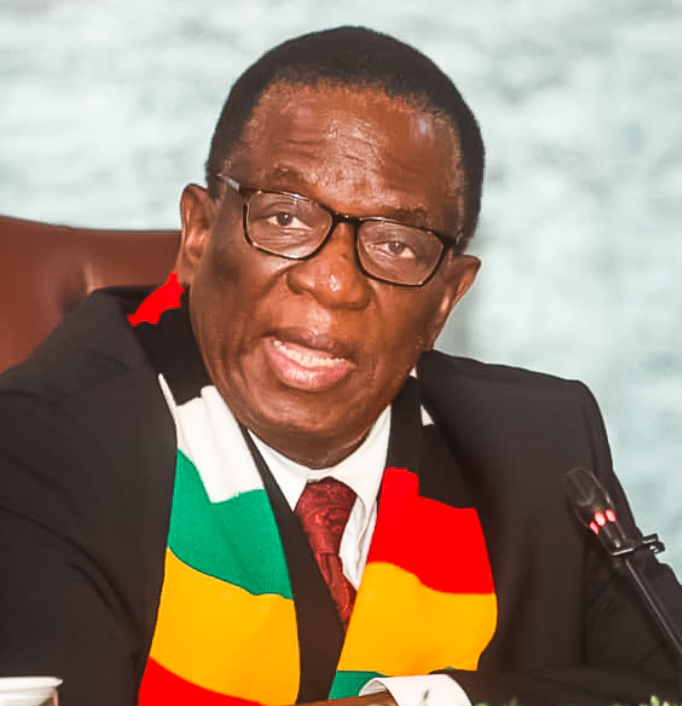
Mnangagwa, 83, signed the amendments into law on Tuesday after they sailed through parliament, which is dominated by his Zanu-PF party that has held power since independence.
The newly formed People’s Coalition – made up of prominent opposition figures – called on Zimbabweans to demonstrate while lawyers prepared to challenge the constitutionality of the new law.
“The Constitutional Court will hear the challenge,” they said at a media briefing. “The government has guns, money, and media. But the people have numbers.”
The coalition, which was formed last week, said international organisations such as the United Nations and African Union (AU) “know the Constitution was violated”.
The changes include a provision that would extend the presidential and parliamentary terms from five to seven years.
This would effectively allow Mnangagwa to stay in office for two years beyond the end of his constitutionally limited two five-year terms due to end in 2028.
Another amendment gives parliament the power to appoint the president, doing away with direct presidential elections that were introduced in 1987, seven years after independence.
Mnangagwa came to power in 2017 in a military-backed coup that ousted Robert Mugabe at the age of 93 after 37 years in power.
His camp says the new law will bring “political stability and policy continuity” but critics say it entrenches the Zanu-PF’s long grip on power and weakens democratic safeguards.
‘Get ready’
Nelson Chamisa, an opposition leader who lost to Mnangagwa in 2023 in what he described as a fraudulent election, said opposition voices must unite.
“Today, we face a common challenge: oppression,” he said in a social media post. “We are organizing… Be and get ready.”
The opposition Movement for Democratic Change party also called for mass mobilisation and said it would ask the AU and regional grouping SADC to intervene.
“Zimbabwe cannot be allowed to slide into constitutional dictatorship in silence,” it said.
Zimbabwe’s opposition has been weakened by years of repression and tainted elections, and accuses authorities of cracking down on efforts to mobilise against the law.
Although several people criticise the amendments in private, many refused to allow AFP to use their names or be interviewed on camera, reflecting what rights groups say is a climate of fear surrounding political expression.
“They talk about extending the term to seven years when we are suffering,” said taxi rank attendant Allen Isam, referring to high poverty and unemployment levels.
“They are only passing this law to suit themselves and we are not comfortable with this law at all,” the 32-year-old told AFP.
But unemployed Harare resident Bruce Peter, 30, said he did not see any reason to vote for another president. Mnangagwa “has overseen development across the country, including the construction of roads,” he told AFP.
Economic growth in Zimbabwe – a leading supplier of lithium to China – surged from 1.7 percent in 2024 to 7.5 percent in 2025, led by rebounds in agriculture and higher global mining prices, according to the World Bank.
But income and wealth are highly concentrated among a minority, while poverty is entrenched and predominantly rural, with nearly 38 percent of the population living in extreme poverty in 2024, according to the ZIMCODD socio-economic justice coalition.