South Africa – South Africa now produces only about 39% of its domestic fuel requirements, down from 78% in 2019, as refinery closures and operational challenges have increased the country’s reliance on imported petroleum products.
According to BusinessTech, the decline has left the country increasingly exposed to international oil price fluctuations and disruptions to global fuel supplies.
Stellenbosch University military and security analyst Dr Joan Swart told Talk Radio 702 that Sasol supplies approximately a quarter of South Africa’s local fuel demand.
The company produces synthetic fuels from coal at its Secunda facility, while the Natref and Astron Energy refineries process imported crude oil.
The decline in local production follows the closure or idling of major facilities, including the South African Petroleum Refineries (SAPREF) and Engen refinery (ENREF) in Durban.
SAPREF was idled in 2020 for economic reasons before being shut down following severe flood damage in 2022, while ENREF closed in 2020 after a major fire.
Domestic fuel production
A related report by EWN highlights plans to invest R117 billion in rebuilding and expanding SAPREF. However, Swart cautioned that restoring refining capacity would take time.
“Another problem in terms of the facilities that we build is that we overrun the planning, so it will take five to probably ten years to build it,” Swart said, according to EWN.
The proposed redevelopment could strengthen domestic fuel production, but increased refining capacity would not necessarily translate into cheaper petrol because local prices remain linked to international petroleum markets.
Meanwhile, The Citizen reported that crude oil and refined petroleum products accounted for 24.5% of South Africa’s total import bill in the second quarter of 2026, citing figures from Trade & Industrial Policy Strategies (TIPS). This was up from 15.9% in the previous quarter, underscoring the growing economic significance of the country’s fuel import dependence.
The government has also acknowledged the risks posed by reduced refining capacity. In a March 2026 statement, the Department of Mineral and Petroleum Resources identified Natref, Astron Energy and Sasol’s Secunda plant as key contributors to domestic fuel production.
With most fuel demand now met through imports, rebuilding refining capacity and strengthening strategic fuel reserves are likely to remain important to South Africa’s long-term energy security.
Follow African Insider on Facebook, X and Instagram
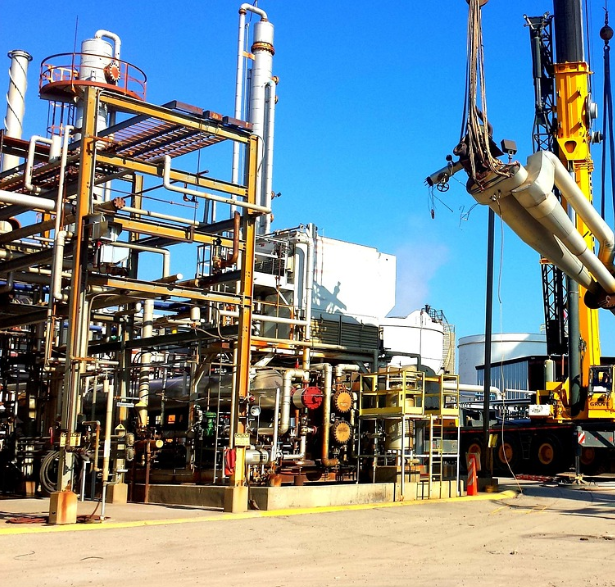
Picture: Pixabay
For more African news, visit Africaninsider.com
Compiled by Betha Madhomu