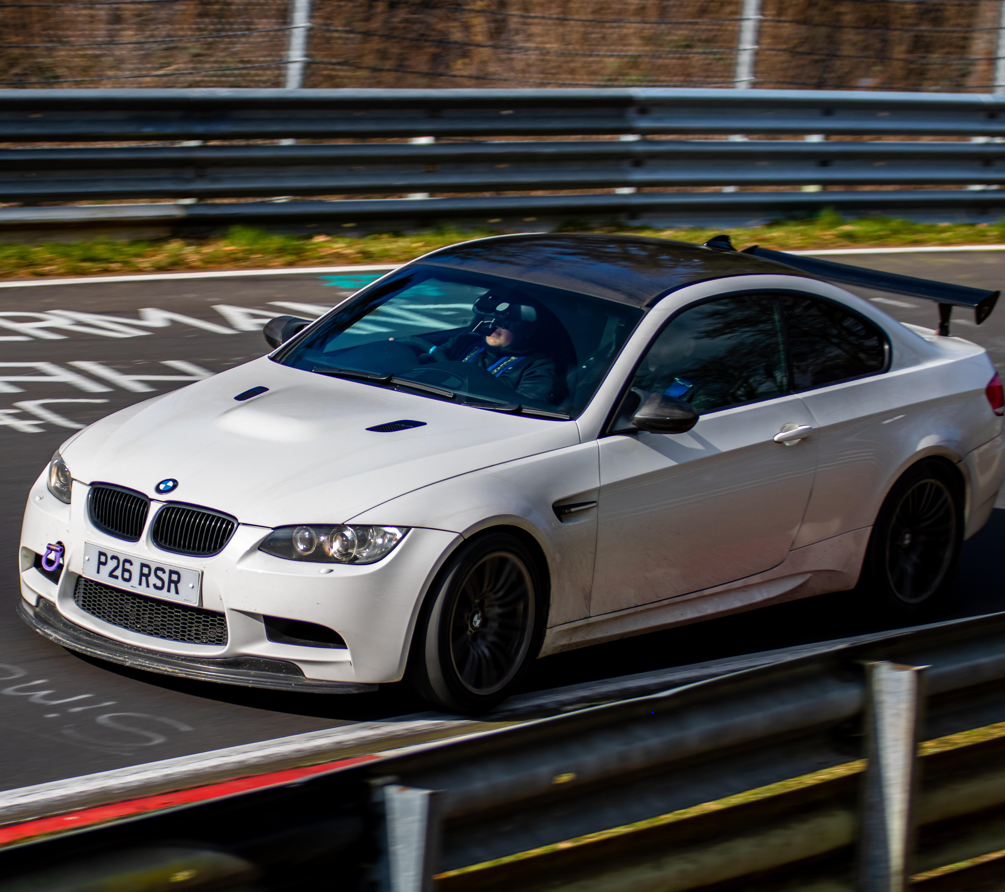
Johannesburg – South Africa’s premium German carmakers are losing ground in the new-vehicle market as affordability pressures and competition from Chinese manufacturers push motorists towards cheaper alternatives.
Data from the National Association of Automobile Manufacturers of South Africa (Naamsa), as reported by Daily Investor, shows that Audi’s monthly sales fell from 1,512 vehicles in February 2013 to 319 in February 2026. Mercedes-Benz sales declined from 1,574 to 459 over the same period, while BMW Group, including Mini, sold 1,237 vehicles in February 2026, compared with 2,423 in February 2013.
The declines occurred despite South Africa’s overall new-vehicle market remaining broadly similar in size, with total sales reaching 53,179 units in February 2013 and 53,455 in February 2026.
Economist and strategist Xhanti Payi, speaking on the CheckPoint podcast cited by Daily Investor, said changing consumer priorities were reshaping the market. “Perhaps they are now the new way in which you still get to access a car,” he said, referring to the growing appeal of Chinese vehicles as symbols of success.
Chinese brands gain market share
The shift towards more affordable vehicles comes as Chinese manufacturers expand their presence in South Africa, offering competitively priced models with modern technology and longer warranties.
In a Reuters report published on 15 May 2026, Naamsa data showed Chinese brands increased their share of South Africa’s passenger-car market from 11.2% in 2024 to 16.8% in 2025. The number of Chinese brands operating in the country rose from eight to 15 over the same period.
Naamsa described the development as a “structural reset”, saying the market was moving away from one historically shaped by brand prestige towards purchasing decisions increasingly driven by prices and tighter household budgets.
Manufacturers including Chery, Great Wall Motor (GWM), Haval, BYD and Omoda & Jaecoo have benefited from demand for vehicles offering competitive prices, technology-rich interiors and attractive warranties.
Affordability reshapes buying decisions
The pressure on premium brands reflects broader financial constraints facing South African households, as motorists weigh vehicle financing, fuel, insurance and maintenance costs against their incomes.
The Mail & Guardian reported in August that the rising cost of new vehicles was pushing price-conscious consumers towards more affordable models and Asian manufacturers. Its analysis highlighted the growing challenge of financing vehicles priced above R500,000.
Meanwhile, TransUnion’s Q2 2026 mobility report, published in September, found that new passenger-vehicle sales grew 15.8% year-on-year during the quarter, while the proportion of consumers intending to purchase a vehicle in the next three months fell from 22% in the first quarter to 19% in the second.
TransUnion’s findings suggest that motorists are not necessarily abandoning car ownership but are becoming more cautious about what they can afford.
Although declining new-vehicle sales do not prove that existing owners are abandoning German brands, the figures point to mounting competition in a market where value for money is increasingly important.
The challenge for Mercedes-Benz, BMW and Audi will be to maintain their appeal as Chinese rivals expand their offerings and South African consumers become more selective about the cost of owning a vehicle.
Follow African Insider on Facebook, X and Instagram
Picture: Pixabay
For more African news, visit Africaninsider.com
Compiled by Betha Madhomu