Johannesburg – South Africans should not expect electricity prices to fall anytime soon, despite planned reforms aimed at making the country’s energy market more competitive and transparent.
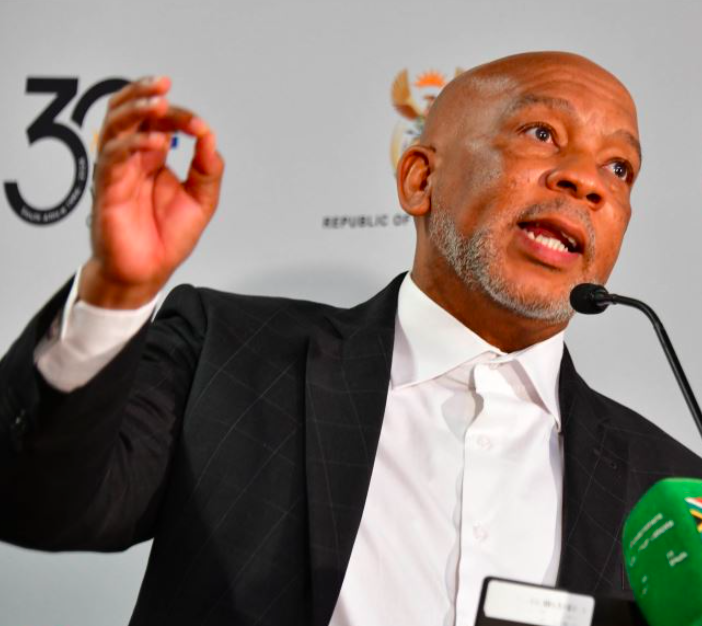
Electricity and Energy Minister Kgosientsho Ramokgopa has warned that there can be “no responsible guarantee” that the transformation of the electricity sector will immediately remove the cost pressures facing households.
According to BusinessTech, Ramokgopa said the reforms were instead designed to reduce the upward pressure on electricity costs over the medium to long term.
The planned overhaul includes breaking up Eskom’s monopoly by separating generation, transmission and distribution, while allowing greater participation by private electricity producers.
Ramokgopa said the reforms were necessary to address “structural weaknesses” that had contributed to unreliable supply, insufficient investment, limited grid capacity and rising system costs.
Efficient and prudent costs
The proposed pricing framework would also prevent inefficiencies such as excessive technical losses, electricity theft and bad debt from simply being passed on to consumers through tariffs.
“Tariffs will be based only on efficient and prudent costs,” Ramokgopa said, adding that the National Energy Regulator of South Africa (NERSA) would have to scrutinise asset values, investment decisions and operational efficiency before tariffs were approved.
The warning comes as electricity prices remain under significant pressure. Eskom’s tariffs for direct customers increased by an average 8.76% from April 2026, while municipal customers faced an average 9.01% increase from July.
The next increase is also already looming. BusinessTech reports that Eskom’s tariff trajectory envisages another 8.8% increase for 2027, although Eskom has indicated that it does not expect to return to the double-digit increases seen in previous years.
Recent reporting by The National highlights the difficulty of bringing prices down. Eskom reported a R30.3 billion profit for the year to March 2026, but electricity sales volumes fell by 6.2% as industrial demand weakened and customers increasingly turned to self-generation and renewable energy.
Alternative suppliers
The shift towards solar is putting additional pressure on Eskom’s traditional revenue model.
The Citizen reported in August that rooftop and off-grid solar could account for a growing share of South Africa’s electricity generation, with Eskom potentially losing tens of billions of rand in annual revenue as customers generate their own power.
Ramokgopa nevertheless believes competition could eventually benefit consumers.
“Open access to grids and wheeling provisions will enable customers to purchase electricity from alternative suppliers,” he said, arguing that greater competition could lower long-term system costs.
The government expects the proposed reforms to improve “affordability, price stability and predictability” over the medium to long term.
However, BusinessDay has similarly reported that a competitive electricity market depends on establishing an independent transmission system operator, with business leaders arguing that competition and investment are necessary if South Africa is to achieve more cost-effective electricity.
For consumers, however, the immediate outlook remains challenging: the reforms may slow future price increases, but there is currently no guarantee that they will translate into cheaper electricity.
Follow African Insider on Facebook, X and Instagram
Picture: X/@SAgovnews
For more African news, visit Africaninsider.com
Compiled by Betha Madhomu