Cape Town – The DG Murray Trust (DGMT) has called for stricter alcohol trading hours in South Africa, including a midnight cut-off for bars, taverns, restaurants and other venues selling alcohol for on-site consumption, arguing that limiting late-night drinking could help curb violent crime, road accidents and pressure on public hospitals.
According to BusinessTech, the organisation’s Rethink Your Drink campaign says the proposed restrictions would follow the approach used during the Covid-19 lockdowns, when limits on alcohol sales and curfews were introduced partly to ease pressure on hospitals and trauma units.
“The trends essentially show that the later you stay open, the higher the risk of violence and the higher the risk of road accidents occurring,” Kashifa Ancer, the campaign’s project lead, said.
Temporary midnight closing limit
In a separate report published on Wednesday, TimesLIVE reported that DGMT is taking its legal challenge against the Northern Cape’s liquor legislation to the Constitutional Court. The trust wants the court to confirm a High Court ruling that found the province’s lawmaking process unconstitutional because of inadequate public consultation.
The Northern Cape’s 2024 Gambling and Liquor Act extended trading hours, allowing many on-site consumption venues to sell alcohol until 2am and nightclubs to trade until 6am from Monday to Saturday. DGMT is seeking a temporary midnight closing limit for on-site sales and a ban on Sunday takeaway alcohol sales while the legislation is reviewed.
Business Day reported in April that the High Court found shortcomings in the public consultation process, including limited notice of public hearings. However, the court did not uphold DGMT’s broader argument that the extended trading hours violated constitutional rights.
Shorter trading hours
DGMT estimates that heavy and binge drinking cost South Africa approximately R433 billion annually through its wider social and economic consequences, according to BusinessTech.
Ancer said liquor legislation must take account of the harm associated with excessive consumption, including violence, pressure on healthcare services and foetal alcohol spectrum disorder.
The trust maintains that shorter trading hours alone will not solve the problem. Its campaign also supports measures such as tighter restrictions on alcohol advertising, limits on the concentration of liquor outlets, minimum unit pricing and changes to alcohol excise taxes.
The proposed restrictions are not a nationwide government lockdown policy. They form part of DGMT’s campaign for tighter alcohol regulation, with the Constitutional Court expected to hear the Northern Cape case on 10 November.
Follow African Insider on Facebook, X and Instagram
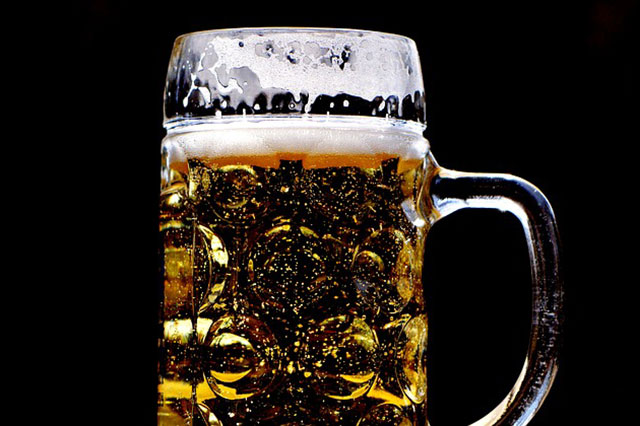
Picture: Pixabay
For more African news, visit Africaninsider.com
Compiled by Betha Madhomu