Cape Town – South Africa’s proposed zero-alcohol driving law is facing scrutiny over concerns that it could overlook a major contributor to the country’s road fatalities: intoxicated pedestrians.
The proposed amendment to Section 65 of the National Road Traffic Act seeks to reduce the permissible blood-alcohol concentration (BAC) limit for motorists from 0.05g per 100ml of blood to zero. The breath-alcohol limit would also be reduced from 0.24g to zero.
However, according to BusinessTech, legal experts at Van Deventer Dowlath & Marx Inc have warned that focusing predominantly on motorists could leave another significant road safety risk insufficiently addressed.
“A decision to ban alcohol for drivers will have long-reaching, potentially positive implications, but what about the other risk profile? Intoxicated pedestrians are a large part of the crisis,” the law firm said.
Its director, Cor van Deventer, argued that stricter regulations for motorists would not necessarily resolve pedestrian-related fatalities.
“The Minister’s own statements point to intoxicated pedestrians being a major cause of fatalities. Zero-tolerance will change driver behaviour, but it won’t fix the pedestrian crisis,” he said.
The concerns come amid alarming road safety statistics.
According to the Department of Transport, as reported by SAnews, 6,457 people died on South Africa’s roads between January and 23 August 2026, with pedestrians accounting for 48% of the fatalities.
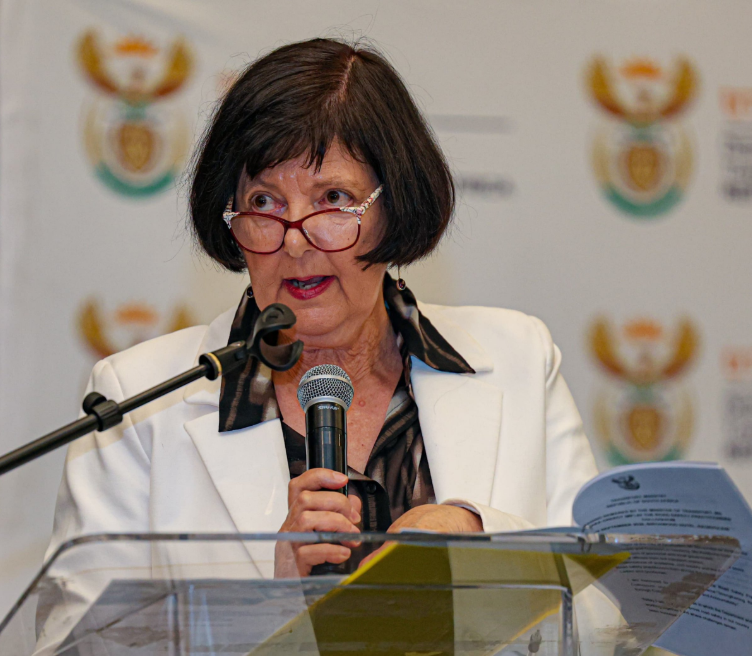
Transport Minister Barbara Creecy has previously said that more than 18,000 motorists were arrested for drunken driving between March and the end of August, representing approximately one-third of all traffic arrests during that period.
The government is seeking approval from the Chief State Law Advisor and the Socio-Economic Impact Assessment System (SEIAS) to secure Cabinet concurrence for the proposed legislative changes by the end of 2026.
Concerns over enforcement and false positives
The proposed zero-alcohol limit has also raised questions about whether authorities have the capacity to enforce the law effectively.
In September, eNCA reported concerns from Kashifa Ancer of the DG Murray Trust’s Rethink Your Drink campaign, who argued that insufficient police visibility and inconsistent enforcement could undermine the proposed changes.
“We do not have enough police presence on our roads to ensure that enforcement is even,” Ancer said.
She also questioned how authorities would distinguish between motorists who had consumed alcohol and those who registered trace amounts through medication or other everyday products.
Similarly, MyBroadband reported concerns that products such as certain medicines and foods could produce small alcohol readings, potentially exposing motorists to criminal consequences despite not being impaired.
The Automobile Association has also previously cautioned that changing the legal limit without improving enforcement would have limited impact.
Van Deventer further warned that the proposed changes would require properly calibrated breathalysers, certified officers and safeguards against false-positive results.
He said: “Moving to such a strict driver limit has the potential to introduce operational and evidentiary challenges for a legal system that’s already under pressure, and there will be no margin for error.”
He urged government to adopt a broader road safety strategy that includes better pedestrian infrastructure, stronger local policing and legislative measures addressing pedestrian-related risks.
“If South Africa wants to reduce its fatalities, enforcement will have to go beyond the people in the driving seats,” he said.
South Africa has set a target of halving annual road fatalities by 2030, in line with the United Nations Sustainable Development Goals.
Follow African Insider on Facebook, X and Instagram
Picture: X/@Dotransport
For more African news, visit Africaninsider.com
Compiled by Betha Madhomu