South Africa – JSE-listed mining and construction materials group Afrimat is expecting a dramatic deterioration in its first-half earnings, with the company forecasting a headline loss as a stronger rand, weaker iron ore conditions and sharply higher shipping costs weigh on its export business.
According to BusinessTech, Afrimat expects earnings per share (EPS) for the six months ended 31 August 2026 to fall by between 95% and 100%, from 102.7 cents a year earlier to between 0.1 cents and 5.2 cents. The company is also expecting headline loss per share of between 55 cents and 60 cents, compared with headline earnings per share of 101.9 cents in the previous comparable period.
The figures were confirmed in Afrimat’s trading statement published through Moneyweb’s SENS service.
Afrimat said it had experienced its most difficult trading conditions since listing in 2006.
“Since listing in 2006, Afrimat has never faced trading conditions as challenging as those experienced during the six months ended 31 August 2026.”
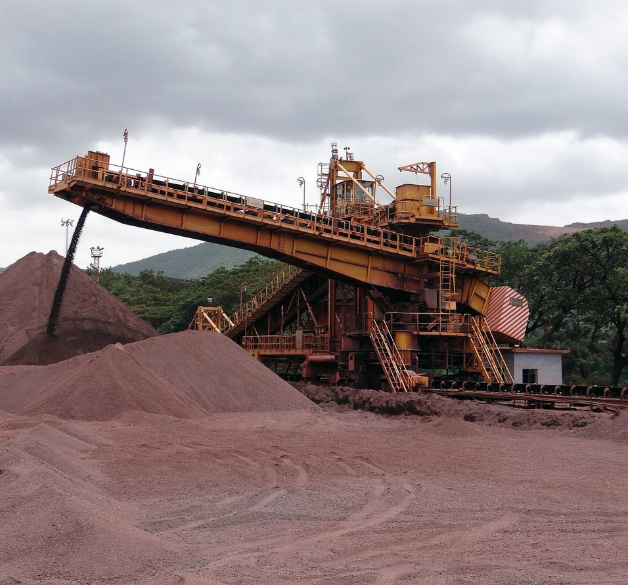
The company’s biggest setback came from its iron ore operations, which were hit by the stronger rand and a sharp increase in shipping costs following disruptions associated with the Iran conflict.
Primary driver
Afrimat said shipping costs increased by 49.1%, resulting in average mine-gate revenue per tonne falling by 16.4%. Domestic iron ore volumes also remained 36.5% below the previous year’s level, despite some recovery during the second quarter.
“The primary driver of the decline in profitability during the period was iron ore,” Afrimat said.
Business Day reported that the company had been hit by the stronger rand and an almost 50% increase in shipping costs, while a temporary shutdown of ferrochrome smelters also reduced demand for Afrimat’s anthracite.
The difficult conditions had been emerging for months. In August, Business Day reported that Afrimat had described the trading environment as among the toughest in its 20-year history, citing weaker international iron ore prices, a stronger rand and higher shipping rates linked to the Iran conflict.
Despite the setback, not all parts of the business performed poorly. Afrimat said its aggregates and fly ash operations delivered strong results, with efficiency measures, marketing efforts, client retention and operational improvements supporting higher margins.
Diversification
The company is also taking steps to strengthen its balance sheet. It has been selling non-core assets and converting surplus iron ore stockpiles into cash, helping reduce its debt-to-equity ratio to below 50%. Afrimat said, however, that it is targeting a ratio closer to 25%.
The group is pursuing diversification through a new 240,000-tonne-a-year manganese export allocation for seven years and the addition of the Doornfontein iron ore deposit, which is expected to replace the Demaneng operation.
Afrimat’s cement operation remains under pressure, continuing to record an operating loss despite investment in engineering capacity, management and repairs aimed at improving its long-term performance.
The company is expected to release its full interim results on 22 October 2026, when it will provide more detail on the six-month performance and its outlook for the remainder of the financial year.
Follow African Insider on Facebook, X and Instagram
Picture: Pixabay
For more African news, visit Africaninsider.com
Compiled by Betha Madhomu