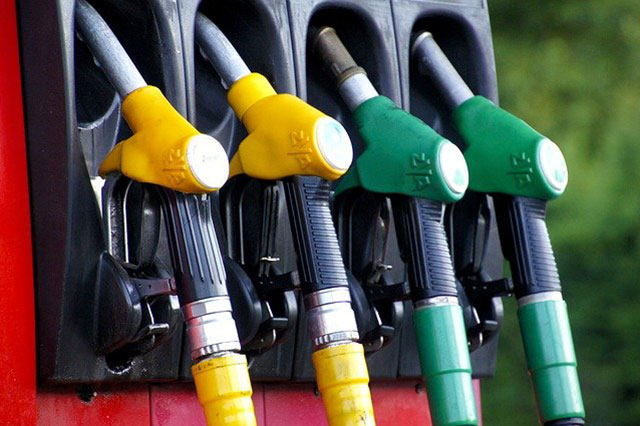
Johannesburg – South African motorists are facing fuel increases of about R3 a litre in October, with petrol prices expected to rise above R30 a litre as higher international oil prices and a weaker rand increase the cost of fuel.
According to Daily Investor, Stanlib chief economist Kevin Lings described the combination of rising oil prices and a weaker rand as a “perfect storm for South African fuel prices”.
Lings said the latest data pointed to increases of about R3 a litre across fuel grades, potentially pushing petrol prices to record levels.
The latest Central Energy Fund (CEF) projections show that 95 petrol could increase by R3.21 a litre, taking the inland price from R26.92 to about R30.13.
The same projections indicate that 93 petrol could rise by R3.01 a litre, leaving it just below R30.
Diesel is also expected to record a substantial increase. Moneyweb reported earlier that 0.005% diesel was tracking an increase of about R3.10 a litre, potentially taking the price to around R33.15.
Oil and rand drive fuel shock
The fuel-price pressure is being driven by international oil prices and movements in the rand.
Reuters reported on Friday that Brent crude fell about 3% to $99.48 a barrel, following discussions around releasing additional diesel and crude stockpiles to ease pressure on global fuel supplies.
However, oil prices had climbed sharply during September, briefly moving above $100 a barrel amid geopolitical and supply concerns.
The rand has also weakened. Reuters reported that the rand was on course for its fourth consecutive weekly decline, having fallen by almost 2% by Friday.
For South Africa, a weaker rand makes dollar-priced crude oil and petroleum products more expensive.
TopAuto reported towards the end of September that CEF data was already pointing to petrol increases of between R2.82 and R3 a litre, with 95 petrol projected to reach the R30 mark.
Inflation warning
The impact is expected to extend beyond motorists.
Daily Investor reported that diesel prices were already 30% higher than a year earlier, while petrol prices had increased by 18%. Higher fuel costs can feed through into transport, food, airfares and other consumer prices.
Lings warned that the pressure could also affect monetary policy.
“The Reserve Bank revised up its inflation forecast for this year. It is clear that they have become a bit more anxious about second-round effects,” he said.
He added that the central bank may need to raise interest rates to contain those effects.
“They think they need to hike interest rates to try and control the potential pass on or the second-round effects,” Lings said.
The economist said the resulting combination of higher fuel and borrowing costs would put further pressure on household disposable income, potentially weighing on retail spending and investment.
The Daily Investor report said the South African Reserve Bank was forecasting GDP growth of 1.2% for 2026 and 1.7% for 2027, while Lings expects inflation to rise above 5%.
The Department of Mineral and Petroleum Resources is expected to announce the final October fuel-price adjustments, with the new prices scheduled to take effect on Wednesday, 7 October.
Follow African Insider on Facebook, X and Instagram
Picture: Pixabay
For more African news, visit Africaninsider.com
Compiled by Betha Madhomu