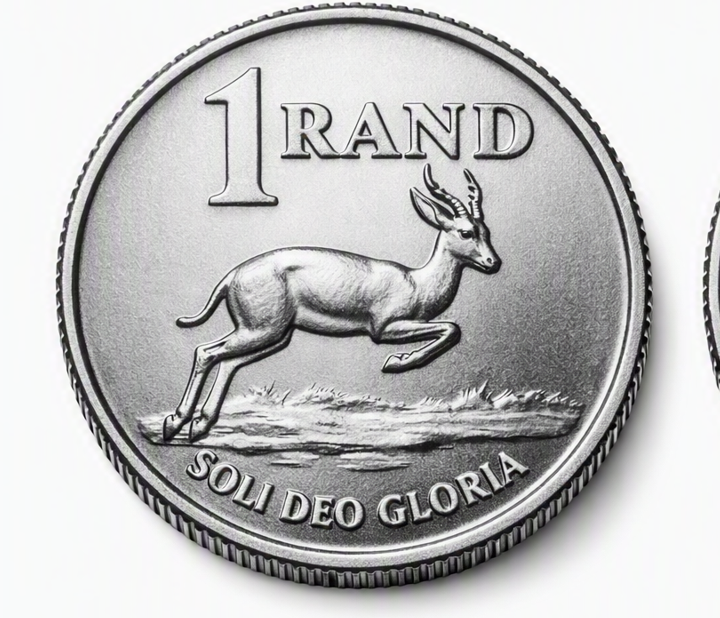
Cape Town – South Africa’s rand has come under renewed pressure as fears of a potential artificial intelligence (AI) stock-market bubble, rising oil prices and a stronger US dollar fuel uncertainty in global financial markets.
According to BusinessTech, the rand was trading at R16.66 against the US dollar on Monday, 26 October, weakening despite positive signals from ratings agency Moody’s following South Africa’s Medium Term Budget Policy Statement (MTBPS).
Investec chief economist Annabel Bishop attributed the currency’s weakness partly to a stronger dollar as investors became more cautious about risky assets.
The concerns extend beyond South Africa, with investors worried about the debt accumulated by companies investing heavily in AI infrastructure and the possibility that disappointing earnings could trigger a wider technology-sector sell-off.
According to BusinessTech, Bloomberg data showed that baskets of AI-linked equities fell 4.9% as investors shifted towards safer Treasury assets.
The rand is also facing pressure from falling gold prices and rising oil costs. Gold, a major South African export, retreated to around US$4,016 an ounce, while Brent crude oil climbed above US$115 a barrel.
Improving assessments
“The drop in the gold price has come on the back of the jump in oil prices, to over US$115 a barrel for Brent crude and worries over higher interest rates,” Bishop said, according to BusinessTech.
The combination threatens to worsen South Africa’s import bill and inflation outlook, particularly as higher oil prices increase transport and production costs.
However, the currency’s weakness comes against a backdrop of improving assessments of the country’s public finances.
In its 26 October report, Reuters reported that Moody’s Ratings viewed the latest MTBPS as positive for South Africa’s credit profile, citing fiscal consolidation and tighter monetary policy, although weaker-than-expected nominal economic growth remained a concern.
Meanwhile, Daily Investor reported that Investec estimated the rand’s fair value at between R16 and R16.50 against the dollar, putting the currency near the weaker end of that range before its latest decline.
The contrasting signals highlight the rand’s vulnerability to international developments, even as South Africa makes progress towards stabilising government debt and strengthening its fiscal position.
Investors are expected to continue monitoring oil prices, global technology shares and US interest-rate expectations for clues about the currency’s direction.
Follow African Insider on Facebook, X and Instagram
Picture: Copilot
For more African news, visit Africaninsider.com
Compiled by Betha Madhomu