Cape Town – Ireland’s decision to scrap visa-free travel for South African passport holders has done little to dampen interest in the European country, with thousands continuing to travel there for employment, business and relocation opportunities.
Ireland introduced visa requirements for South African and Botswana nationals on 10 July 2024, citing concerns over passport fraud and a sharp increase in international protection applications from people arriving from the two countries.
According to BusinessTech, the Irish government was particularly concerned about fraudulent South African passports being used by foreign nationals to enter the country.
Between 2022 and 2024, several Pakistani and Indian nationals were reportedly caught attempting to travel using forged South African passports.
Another major consideration was the increase in asylum applications. Ireland’s Minister of State for International Development and Diaspora, Neale Richmond, described the visa decision as harsh but necessary, saying there had been a 100% increase in people arriving from South Africa and Nigeria, predominantly South Africans, and claiming international protection.
Legitimate reasons
The restrictions apply to both entry and transit, requiring South Africans travelling through Ireland to obtain visas before departure.
Despite the tougher entry requirements, demand for travel to Ireland has remained strong. Between July 2024 and November 2025, Irish authorities approved 16,447 South African visa applications and rejected 1,132 out of 17,579 decisions, translating into an approval rate of approximately 93.6%.
The figures suggest that the visa restrictions have not significantly discouraged South Africans with legitimate reasons to travel to the country.
In a June 2025 interview with Mail & Guardian, Richmond acknowledged the impact of the decision, saying: “I think those moves were very harsh,” but maintained that “They were necessary at the time to reregulate migration.”
He also acknowledged the consequences for families and businesses, noting that relatives were unable to visit new-born children and business partners faced difficulties travelling between the two countries.
Asylum applications
However, the visa restrictions have coincided with a sharp decline in South African asylum applications. According to figures cited by BusinessTech from the Irish Parliament, only 73 applications were submitted by South Africans in 2025, out of 13,160 international protection applications received nationally.
South Africans are also continuing to secure employment opportunities in Ireland.
Figures from Ireland’s Department of Enterprise, Trade and Employment show that 1,631 employment permits were issued to South African nationals in 2024, compared with 1,346 in 2023 and 1,317 in 2022. By September 2026, a further 1,117 permits had been issued.
The trend is consistent with Ireland’s growing South African population. According to the country’s Central Statistics Office, the number of South African nationals living in Ireland increased from 13,073 in 2020 to 18,857 by mid-2024.
Immigration controls
Meanwhile, The Irish Times reported that the visa decision formed part of wider efforts by the Irish government to manage rising international protection applications and strengthen immigration controls.
Ireland’s Department of Justice had also confirmed that South Africa and Botswana were designated safe countries of origin for international protection purposes, making the introduction of visa requirements part of a broader effort to regulate entry.
The Irish government has maintained that the visa system is intended to strengthen immigration controls while continuing to facilitate legitimate travel for tourism, employment, education and family visits.
The figures indicate that although Ireland has made entry more difficult for South Africans, it remains an attractive destination for those seeking employment, professional opportunities and a new life abroad.
Follow African Insider on Facebook, X and Instagram
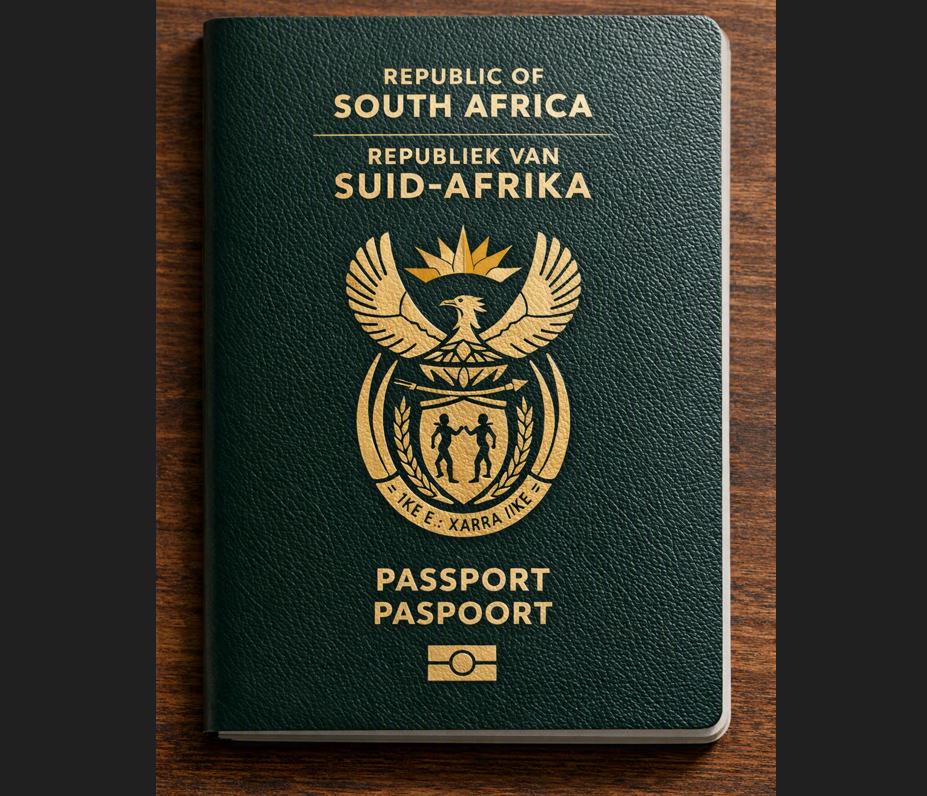
Picture: Copilot
For more African news, visit Africaninsider.com
Compiled by Betha Madhomu