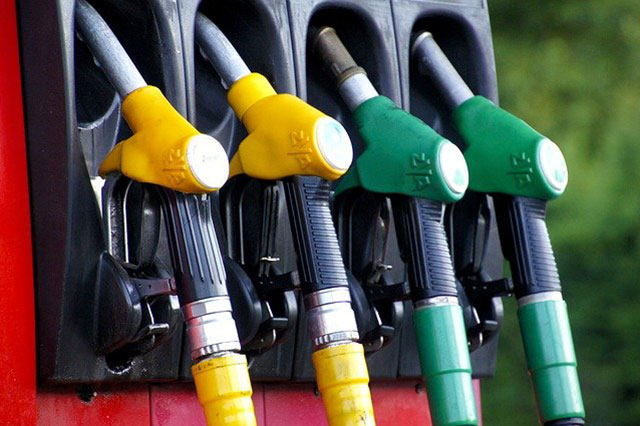
South Africa – South African motorists could face another substantial fuel price increase in November after petrol and diesel prices surged in October, with rising international oil prices and ongoing conflict in the Middle East putting further pressure on domestic fuel costs.
Petrol and diesel prices increased by more than R3 per litre in October, leaving motorists paying approximately R9 more per litre than at the beginning of 2026.
According to Daily Investor, Investec chief economist Annabel Bishop warned that further increases were possible, citing daily figures from the Central Energy Fund (CEF) that point to continued pressure on fuel prices.
Preliminary estimates reported by The Citizen on October 7 indicated that petrol could increase by about R4.60 per litre in November, while diesel could rise by R2.60 per litre.
However, subsequent estimates published by The South African on October 9 suggested increases of approximately R3.17 per litre for 93-octane petrol and R3.35 for 95-octane petrol. These are preliminary projections and not confirmed price adjustments.
Pressure
The pressure follows the government’s announcement that October fuel prices would rise sharply, effective October 7. According to the South African government, the average Brent crude oil price increased from $87.89 to $101 per barrel during the review period, driven by US-Iran tensions, uncertainty surrounding oil shipments through the Strait of Hormuz, higher shipping costs and declining inventories.
Reuters also reported that the October increases were linked to the impact of the Iran war on global energy markets, with regulated petrol prices rising by as much as 12% and wholesale diesel prices increasing by 10%.
South Africa’s reliance on imported crude oil and finished petroleum products leaves domestic fuel prices vulnerable to international market movements and fluctuations in the rand.
Bishop warned that higher fuel costs could complicate the country’s inflation outlook ahead of National Treasury’s Medium-Term Budget Policy Statement on October 21. More expensive fuel raises transport and distribution costs, potentially pushing up food prices and the cost of other goods and services.
Rising costs
The rising costs also present a challenge for the South African Reserve Bank as it seeks to bring inflation towards its 3% target. Bishop expects inflationary pressures to increase, potentially moving towards 5%, and cautioned that interest rates could rise further if inflation remains elevated.
For households already facing higher living costs, another fuel price increase would place additional pressure on disposable income, while businesses could face higher operating expenses.
Although the November projections remain uncertain, motorists will be watching international oil prices, the rand-dollar exchange rate and subsequent CEF data for indications of the final adjustment.
Follow African Insider on Facebook, X and Instagram
Picture: Pixabay
For more African news, visit Africaninsider.com
Compiled by Betha Madhomu