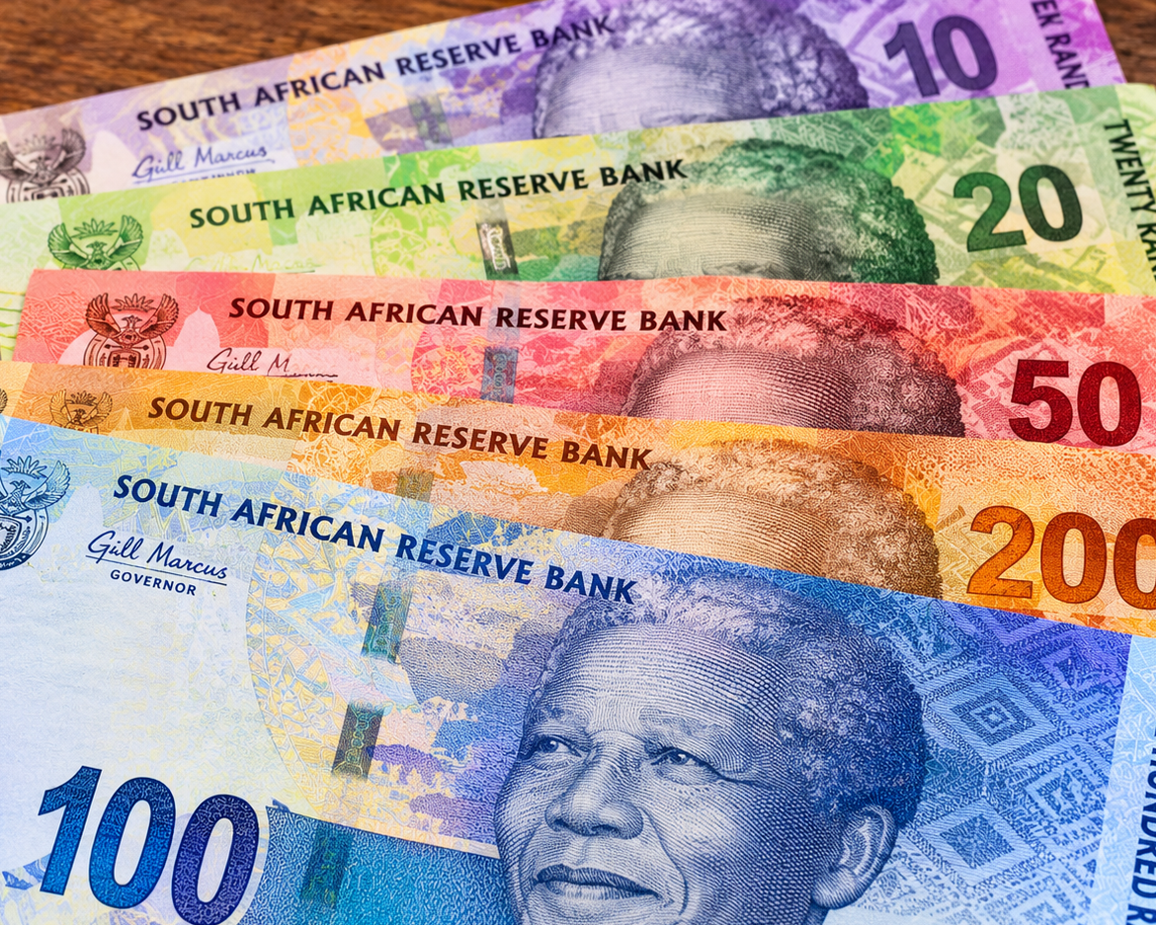
Cape Town – South African households are expected to face mounting financial pressure in the coming months as rising fuel prices, persistent inflation, unemployment and the prospect of further interest rate increases threaten to weaken consumers’ spending power.
According to BusinessTech, which reported on concerns raised by Nedbank economists on Friday, 6 November, the recent improvement in household disposable income is largely being supported by temporary sources of income rather than sustainable wage growth.
Real personal disposable income increased by 0.1% in the first quarter of 2026 and 0.2% in the second quarter. However, Nedbank attributed the improvement partly to dividends, rental income, retirement savings withdrawals and the benefits of previous interest rate reductions.
“The reliance on non-labour income sources highlights the fragility of the current consumer recovery,” the bank’s economists said.
They warned that sustainable improvements in household finances would depend on stronger employment growth, noting that South Africa’s unemployment rate increased from 32.7% in the first quarter to 33.6% in the second quarter of 2026.
Higher fuel costs
“Household finances are expected to come under increasing pressure over the remainder of 2026 and into 2027,” Nedbank said.
The warning comes amid continued pressure from higher fuel costs, which have contributed to rising inflation and increased the cost of everyday essentials.
Nedbank said the effects of higher fuel prices, accelerating inflation and tighter monetary policy would become increasingly pronounced as temporary financial support for households fades.
The bank expects another 25-basis-point interest rate increase in November, which would take the repo rate to 7.50% and the prime lending rate to 11%.
The pressure is also reflected in findings published by Moneyweb, which reported in July that 53% of respondents in DebtBusters’ annual money-stress survey were spending more than 40% of their take-home pay on debt repayments, compared with 48% the previous year.
Inflation
DebtBusters chief executive Benay Sagar warned that such levels of debt servicing were unsustainable, particularly as households increasingly rely on credit to cover essential expenses.
“Currently 35% of the respondents spend 50% or more on debt repayments,” Moneyweb reported.
Meanwhile, the South African Reserve Bank’s September 2026 Quarterly Bulletin highlighted the impact of higher energy prices on the economy. Consumer fuel price inflation accelerated to 34.3% in June, while headline inflation reached 5% during the same month before easing to 4.4% in August.
However, the outlook is not entirely negative. TransUnion’s third-quarter 2026 Consumer Pulse Study found that half of South African consumers reported that their household finances were performing better than planned, up from 43% in the second quarter.
Despite this improvement, 79% of respondents continued to rank inflation among their top three financial concerns.
The findings suggest that although some households are experiencing improved financial conditions, affordability and the rising cost of living remain significant challenges.
Follow African Insider on Facebook, X and Instagram
Picture: ChatGPT
For more African news, visit Africaninsider.com
Compiled by Betha Madhomu