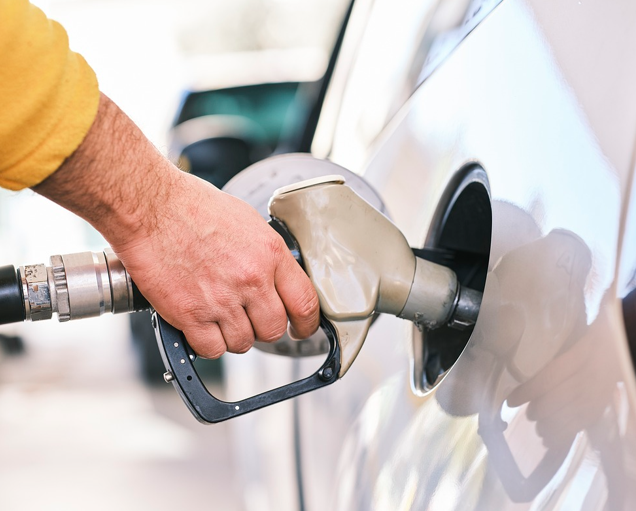
South Africa – Motorists are facing another major fuel-price shock, with the price of 95 petrol rising above R30 a litre inland from Wednesday, while the government has urged consumers not to panic-buy fuel.
The Department of Mineral and Petroleum Resources has implemented increases of R3.12 a litre for 93 petrol and R3.33 for 95 petrol. Diesel prices are also rising by between R2.84 and R3.24 a litre.
The increases take effect as 95 petrol reaches R30.25 a litre inland, while 93 petrol rises to R29.88. At the coast, 95 petrol will cost R29.38 a litre.
According to BusinessTech, the government has urged motorists to purchase fuel as they normally would, warning that panic buying could put additional strain on fuel stations and distribution networks.
‘Make every kilometre count’
Instead, motorists have been encouraged to “make every kilometre count” by driving more efficiently, including accelerating gradually, braking gently, avoiding excessive speeding, reducing unnecessary idling and combining trips where possible.
The latest increase is largely being driven by higher international oil and petroleum-product prices. The government said average Brent crude prices increased from $87.89 to $101 a barrel, amid heightened US-Iran tensions, uncertainty around oil flows through the Strait of Hormuz, higher shipping costs and declining inventories.
Reuters reported that South Africa’s dependence on imported crude and finished petroleum products means international oil prices and the rand-dollar exchange rate have a significant impact on local pump prices.
The latest figures also show that the slate levy has contributed to the increase. The cumulative petrol and diesel slate balance reached a negative R10.456 billion at the end of August, resulting in the levy increasing from 83.28 cents to 87.66 cents per litre.
Calls grow for government intervention
The steep increases have prompted renewed calls for government to reduce the fuel levy. YFM reported that the Motor Industry Staff Association (MISA) wants the temporary fuel-levy reduction introduced earlier in 2026 to be reinstated.
Economists have also warned that the impact will extend well beyond motorists, as higher diesel costs increase freight, agricultural and business operating expenses and can eventually feed into food and other consumer prices. Momentum economist Sanisha Packirisamy said “the economic case for fuel relief, to offset the dent to purchasing power, is compelling.”
However, government faces a difficult fiscal choice. The previous fuel-relief intervention cost the state more than R17 billion, while further tax relief could put additional pressure on public finances.
The price shock comes less than a month before South Africa’s 4 November 2026 local government elections, with analysts warning that escalating fuel and living costs could become an important issue for voters. The Citizen reported that households are already facing higher municipal charges and borrowing costs, adding to the pressure created by record fuel prices.
For motorists, however, the immediate reality is clear: fuel has crossed another psychological price barrier, while indications from the Central Energy Fund suggest further pressure could emerge in November.
Follow African Insider on Facebook, X and Instagram
Picture: Pixabay
For more African news, visit Africaninsider.com
Compiled by Betha Madhomu