Cape Town – South Africa’s rand is facing renewed uncertainty as investors brace for the outcome of local government elections and assess the economic implications of the country’s planned exclusion from a key United States trade agreement.
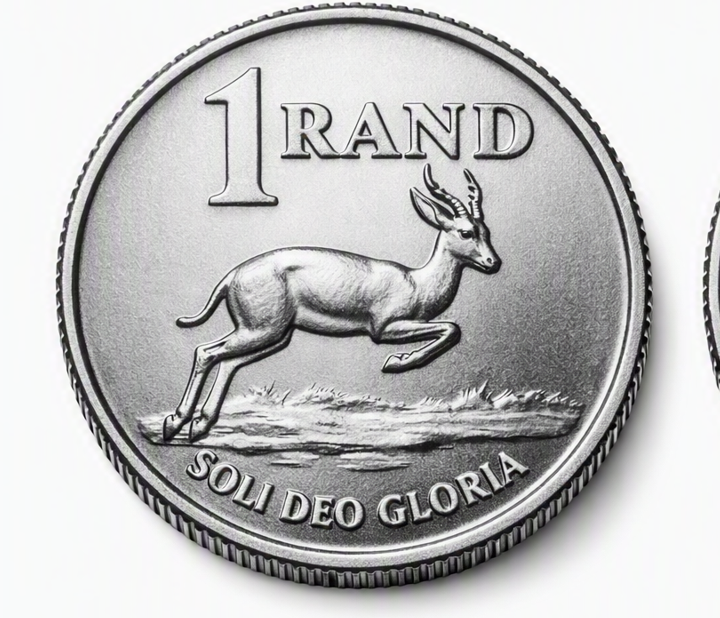
The currency was trading at around R16.62 against the US dollar on Tuesday, November 3, as markets adopted a cautious approach amid political developments in South Africa and abroad.
According to Daily Investor, Investec chief economist Annabel Bishop said uncertainty surrounding the municipal elections had contributed to the rand’s subdued performance over the past week.
The elections are being closely watched by investors, with the African National Congress (ANC) and Democratic Alliance (DA) both polling near 30% nationally, raising expectations of coalition governments in several municipalities.
Bishop said the currency was likely to remain influenced by international developments, particularly as there was limited domestic economic data expected during the week.
The rand’s performance also comes amid Washington’s decision to suspend South Africa from the African Growth and Opportunity Act (AGOA), which provides eligible African countries with preferential, duty-free access to the US market.
Business Recorder reported on Tuesday that the rand was little changed as investors weighed the AGOA decision alongside the upcoming US midterm and South African local government elections.
The US plans to suspend South Africa and Rwanda from the programme from January 1, 2027, citing concerns over human rights, corruption and threats to US interests.
However, ETM Analytics said the economic impact could be less severe than initially feared, as markets had largely anticipated the move, limiting its immediate effect on the currency.
Beyond the political uncertainty, the rand remains vulnerable to international economic pressures, including movements in oil prices, US interest rates and the strength of the dollar.
Investec economist Tertia Jacobs previously warned that higher global borrowing costs and expensive oil were putting pressure on the rand and government bonds.
“Higher bond yields in major economies, particularly the US, remain a key headwind,” Jacobs said, explaining that investors could favour US government bonds over emerging-market assets when returns become more attractive.
Meanwhile, The National reported that the rand had gained some support from a weaker US dollar and easing oil prices, trading at R16.64 against the greenback on Monday afternoon.
However, analysts cautioned that the longer-term implications of the elections could be more significant than the immediate market reaction.
CAM Asset Management chief economist Maarten Ackerman said investors would be looking for indications that political parties could form stable coalitions capable of improving governance and service delivery.
“We have seen in the past how unstable coalitions can undermine service delivery and governance,” Ackerman said.
He added that durable coalitions capable of turning around struggling municipalities could improve investor confidence.
Daily Investor also highlighted the financial challenges facing local government, with municipalities owing creditors R185.2 billion as at June 30, 2026. Of this amount, R142.4 billion had been outstanding for more than 90 days.
The publication noted that poor revenue collection, mounting unpaid bills and deteriorating infrastructure could ultimately place additional pressure on state-owned entities and the national Treasury.
Investec Wealth and Investment International fixed-income analyst Awongiwe Booi said previous municipal elections had produced positive but short-lived market reactions.
“Previous local elections have generated constructive but short-lived market reactions,” she said.
“The lesson is that only institutional and financial improvement can create a multi-year re-rating.”
The rand’s outlook will therefore depend not only on the immediate election results but also on whether South Africa can strengthen municipal governance, maintain economic reforms and navigate an increasingly uncertain global economic environment.
Follow African Insider on Facebook, X and Instagram
Picture: Copilot
For more African news, visit Africaninsider.com
Compiled by Betha Madhomu