Cape Town – South Africa could face significant economic and employment risks if the United States removes it from the African Growth and Opportunity Act (AGOA), despite Washington extending the trade programme until the end of 2028.
According to BusinessTech, the US is reviewing the eligibility of participating countries, with South Africa potentially facing exclusion as diplomatic and trade tensions between Pretoria and Washington intensify.
AGOA, introduced in 2000, gives eligible sub-Saharan African countries preferential, duty-free access to the US market for qualifying products. South Africa has been the programme’s largest beneficiary over its lifetime, accounting for 54% of AGOA-related exports to the US. Between 2019 and 2024, the country exported approximately R300 billion worth of goods under the programme.
The potential consequences are substantial. Aluma Capital chief economist Frederick Mitchell warned that economic modelling suggests that losing AGOA access could put between 125,000 and 576,000 direct and indirect jobs at risk.
Frosty impasse
“Tensions between Pretoria and Washington have escalated to a frosty impasse, placing South Africa’s duty-free access under AGOA in grave jeopardy,” Mitchell said, as quoted by BusinessTech.
The automotive industry, citrus and deciduous fruit producers, and advanced metallurgy are among the sectors that could be affected by losing preferential access to the American market.
In a 27 October report, SABC News reported that the South African Chamber of Commerce in the USA had warned that Pretoria could be notified of possible exclusion before the end of the year. Chamber president Neil Diamond urged the government to engage Washington urgently, noting that South Africa exported approximately $16.5 billion in goods to the US in 2025.
The warning comes despite the US government’s decision to extend AGOA. In its 4 September report, SABC News confirmed that US President Donald Trump had signed legislation extending the programme through December 2028. However, the extension does not guarantee that South Africa will remain eligible.
South Africa’s exports
South Africa’s government has meanwhile signalled that it is preparing for different outcomes. International Relations and Cooperation Minister Ronald Lamola told SABC News on 28 October that the country had been diversifying its export markets to reduce its vulnerability.
“In the past two years, since we realised this unpredictability, we have been working very hard to diversify the markets for South African exports,” Lamola said.
He added that 45% of South Africa’s exports went to the African continent, while Asia and the European Union also accounted for significant portions of its export market. The government believes this diversification could cushion the impact of a possible exclusion.
However, losing preferential access would still create challenges for exporters competing against countries that retain tariff advantages in the US market. The scale of the impact would depend on the products affected, the tariffs applied and businesses’ ability to redirect exports to alternative markets.
With the US eligibility review approaching, South Africa faces mounting pressure to protect its trade relationship with Washington while strengthening alternative export destinations.
Follow African Insider on Facebook, X and Instagram
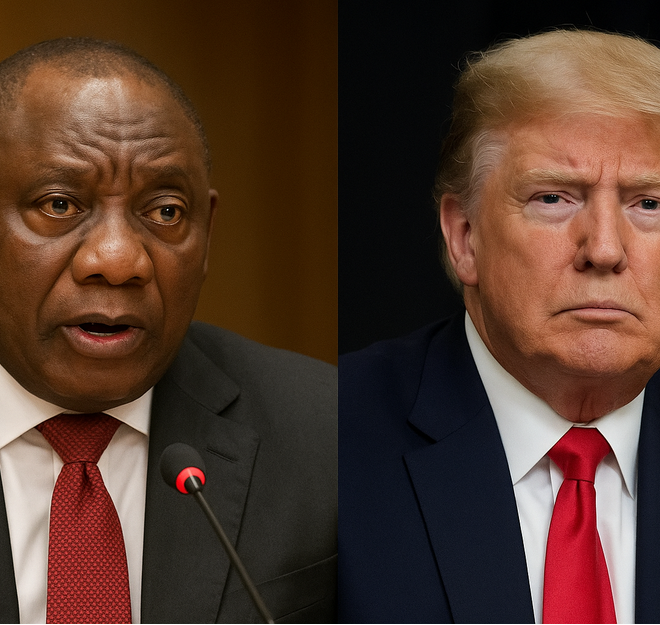
Picture: ChatGPT
For more African news, visit Africaninsider.com
Compiled by Betha Madhomu