Johannesburg – The South African Bureau of Standards (SABS) has proposed new standards for artificial intelligence (AI), aimed at improving transparency, data quality, human oversight and the responsible use of the technology.
According to MyBroadband, the draft standards align with international benchmarks developed by the International Organisation for Standardisation (ISO) and the International Electrotechnical Commission (IEC).
Wendy Rosenberg, director and head of digital media and electronic communications at Werksmans, said the proposals adopt existing international standards without local amendments.
“The drafts adopt international ISO/IEC standards as South African documents. Each draft is an identical adoption of an existing ISO/IEC document on AI, without local changes,” Rosenberg told MyBroadband.
She said the standards, although voluntary, could become a local benchmark for responsible AI use, bringing South African organisations into line with international best practice.
“Such standards are not legally binding. Rather, they create voluntary standards which organisations can choose to adopt to improve quality, safety, transparency, and the like,” she added.
Organisations that develop or use AI have until 10 November 2026 to submit comments on the proposed standards.
Building a responsible AI framework
The proposals come as South Africa works towards developing a comprehensive national AI policy following the withdrawal of an earlier draft over fictitious references.
In April, Communications and Digital Technologies Minister Solly Malatsi withdrew the draft policy after an investigation confirmed that its reference list contained fabricated sources.
“This failure is not a mere technical issue but has compromised the integrity and credibility of the draft policy,” Malatsi said, according to SAnews.
Reuters subsequently reported that an independent expert panel had been appointed to review the document, with a revised policy expected to go to Cabinet before public comment targeted for January 2027.
The earlier draft sought to promote AI innovation and job creation while addressing ethical concerns, privacy, safety and the risk of discrimination. It also proposed a phased approach to regulating AI according to its uses and associated risks.
The proposed SABS standards represent a separate initiative from the national policy process. While the standards could provide organisations with guidance on responsible AI practices, they would not, by themselves, establish legally binding AI regulations.
Follow African Insider on Facebook, X and Instagram
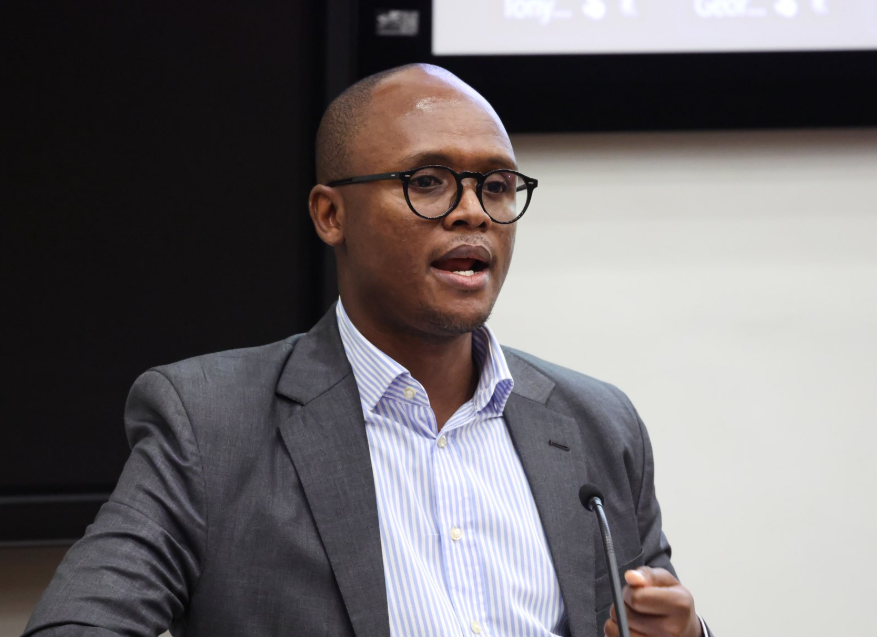
Picture: X/@SollyMalatsi
For more African news, visit Africaninsider.com
Compiled by Betha Madhomu