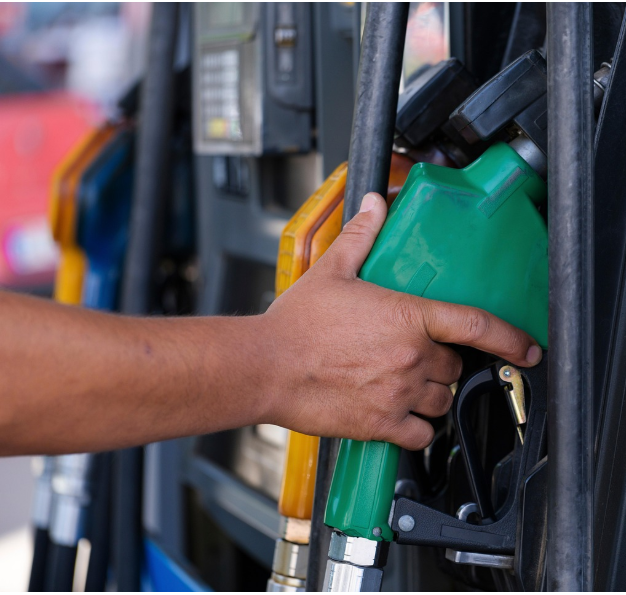
South Africa – South African motorists could face another increase in the cost of fuel if the Road Accident Fund (RAF) succeeds in its proposal to raise its fuel levy from R2.25 to as much as R3 per litre.
According to MyBroadband, the proposal is contained in the RAF’s 2025/26 annual report, as the financially strained fund seeks additional revenue to address its deteriorating financial position.
“The RAF remains under-capitalised, with liabilities exceeding assets by R439.5 billion,” the fund said.
The RAF said declining fuel sales had weakened its existing funding model and that management would continue exploring measures to improve its solvency. It plans to approach National Treasury for a combination of a higher fuel levy, potentially reaching R3 per litre, and additional capital support.
The proposed increase comes after the RAF levy was raised by 7 cents to R2.25 per litre in April 2026, following five years at R2.18.
The RAF said inflation had eroded the real value of its income during the period in which the levy remained unchanged, BusinessTech reported.
Difficult time for motorists
The fund remains heavily dependent on fuel levies, which accounted for 99.4% of its total revenue, with net collections reaching R47.8 billion in the 2025/26 financial year, according to MyBroadband.
However, the proposal comes at a particularly difficult time for motorists. Petrol prices reached record levels in October, with 95 petrol costing R30.25 per litre inland, after the government announced increases of R3.33 per litre for 95 petrol and R3.12 for 93 petrol.
The latest increases were driven largely by higher international oil prices linked to the conflict involving Iran, while South Africa’s reliance on imported fuel leaves domestic prices exposed to global energy markets.
The proposed RAF levy increase is also at odds with a parallel government review of the fund’s financing model. According to The Gazette, Deputy Transport Minister Mkhuleko Hlengwa has backed a possible hybrid funding model that could reduce, rather than increase, reliance on the fuel levy.
Hlengwa said the government was considering alternative revenue sources, including third-party insurance and travel insurance for foreign visitors, arguing that reliance on the fuel levy as the RAF’s main source of income was no longer sustainable.
The review could therefore determine whether motorists ultimately face a higher RAF levy or whether the government moves towards reducing the levy and replacing part of its revenue through other funding mechanisms.
For now, no decision has been taken to increase the RAF levy to R3 per litre. Any change would require consideration and approval by government and National Treasury.
Follow African Insider on Facebook, X and Instagram
Picture: Pixabay
For more African news, visit Africaninsider.com
Compiled by Betha Madhomu