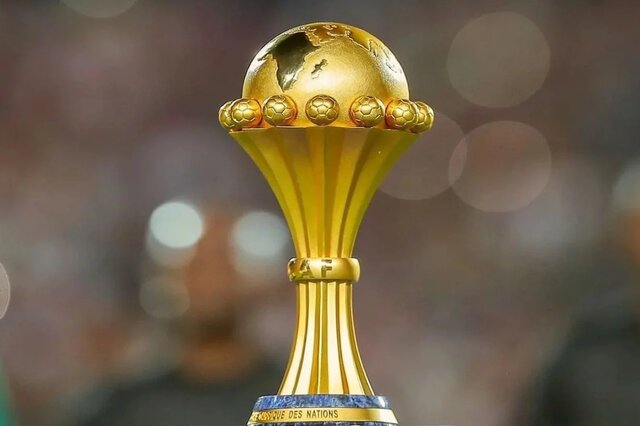
The 35th edition of the Confederation of African Football (CAF) Africa Cup of Nations will be held in Morocco from 21 December 2025 to 18 January 2026.
The tournament — the first to run across Christmas and New Year — will open with hosts Morocco facing Comoros national football team at the new 69,500‑seat Complexe Sportif Prince Moulay Abdellah in Rabat.
CAF has confirmed that nine stadiums across six cities — Rabat, Casablanca, Agadir, Marrakech, Fes and Tangier — will stage a total of 52 matches over the 29‑day tournament.
Format, competition and defending champions
A total of 24 national teams will compete, grouped into six groups of four teams each. The top two teams from each group, together with the four best‑ranked third‑placed teams, will advance to the knockout stage, which runs until the final on 18 January 2026 in Rabat.
12 DAYS TO GO⚽ 🏆
Africa’s biggest football spectacle kicks off 21 December 2025 – 18 January 2026!
Catch all 52 games LIVE on SABC 2, across SABC radio stations, and on SABC Plus#AFCON2025 #14DaysToGo #SABCSport #AFCONonSABC pic.twitter.com/6iStFf5wO5
— SABC Sport (@SABC_Sport) December 9, 2025
The reigning champions are Côte d’Ivoire national football team, who will defend their title.
New challenges — clubs, schedule, and player release tensions
For the first time in AFCON history, the tournament will run across the holiday season, a schedule shift prompted by congestion in the global football calendar, notably due to an expanded club‑world competition.
That shift has created tension between club and national team commitments: under a recent decision by the Fédération Internationale de Football Association (FIFA) and CAF, clubs must release players by 15 December 2025, only six days before the tournament’s first kick‑off.
National teams will therefore have very limited time to field full squads and prepare prior to matches — a factor that could impact team readiness and performance.
Hosting ambitions: Morocco aims to deliver
With Morocco hosting for the first time since 1988, authorities have emphasised modern infrastructure and readiness. The nine stadiums selected are spread across six key cities, allowing geographic breadth while also showcasing Morocco’s capacity for major continental tournaments.
The combination of holiday‑season scheduling, modern venues and widespread participation raises expectations that AFCON 2025 could be among the most accessible and widely‑watched editions of the tournament.
What to watch: high stakes, tight margins
-
The reduced lead‑time between club release and tournament start could affect squad cohesion, especially for teams relying on Europe‑based stars.
-
For defending champions Côte d’Ivoire and other traditional powers like Egypt national football team or Cameroon national football team, AFCON 2025 represents a test of both experience and adaptation to new scheduling demands.
-
Under the 24‑team format and expanded knockout qualification (via best third‑placed teams), there is room for underdog nations to upset the established order — boosting unpredictability.
-
For the host nation Morocco, performance on the field will intertwine with expectations about organizational success; delivering well‑run matches could reinforce its credentials ahead of future global bids (including co‑hosting ambitions for the 2030 World Cup).
Follow African Insider on Facebook, X and Instagram
Picture: X/@AnkoreGirl
For more African news, visit Africaninsider.com
Compiled by Betha Madhomu