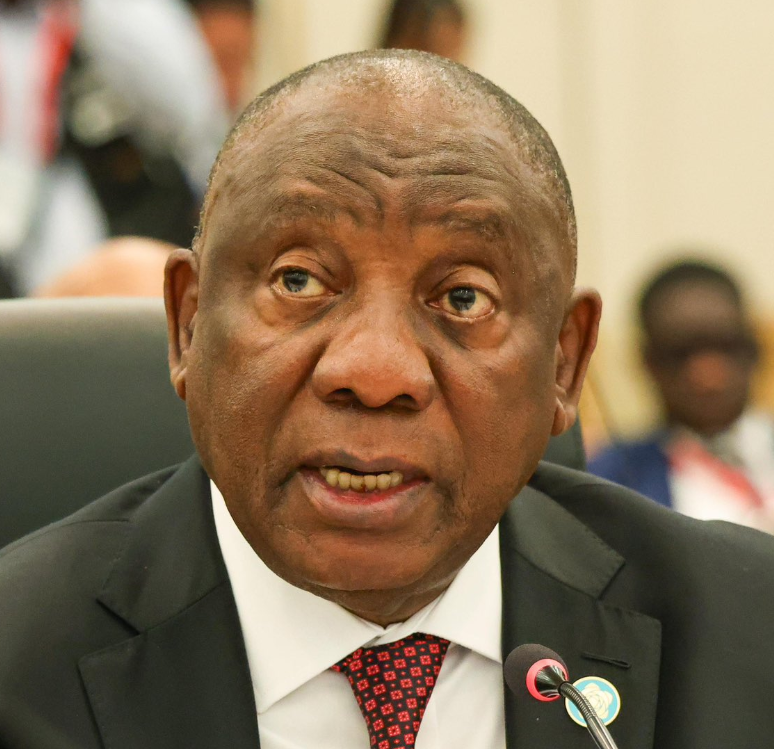
Cape Town – President Cyril Ramaphosa has outlined government initiatives aimed at improving schools and expanding work opportunities for young South Africans.
“While we have made significant progress over the last three decades, from expanding access to school to steadily improving matric results, there are still huge challenges in education,” Ramaphosa wrote, in his weekly newsletter, noting that township and rural schools often face overcrowding and limited access to professional development for educators.
A key initiative highlighted is the Basic Education Employment Initiative, founded in 2020 as part of the Presidential Employment Stimulus. The programme places young South Africans in schools as education assistants, providing both work experience and support to teachers. “To date, the school assistants programme has created more than 1.3 million work opportunities. It is the largest youth employment programme in our country’s history,” Ramaphosa said.
Education assistants are placed in 19,000 no-fee primary schools to support literacy, numeracy, and bilingual reading. They also assist with digital learning, care for at-risk learners, and serve as laboratory and workshop assistants. “The work of the education assistants allows teachers to spend more time on teaching and on lesson preparation, thereby contributing directly to improved educational outcomes,” the president said.
Dear Fellow South African,
In the State of the Nation Address last week, I spoke about the work we are doing in our schools to prepare young people to compete and thrive in a rapidly changing world.
🔗 https://t.co/a5BuVlQpZG pic.twitter.com/0ob0ouGPHE
— Cyril Ramaphosa 🇿🇦 (@CyrilRamaphosa) February 16, 2026
The programme is also helping young people build skills for the future. In the latest phase, 32% of education assistants held some tertiary qualification, and 14% had a teaching qualification. Training covers school safety, online safety, financial literacy, word processing, AI fluency, and coding.
Ramaphosa further highlighted government support for Early Childhood Development (ECD). “The Presidential Employment Stimulus has stepped up support to the sector through the Social Employment Fund,” he wrote. Over 1,000 previously underfunded ECD centres are receiving subsidies, nutritional support, toys, books, and learning materials, reaching more than 50,000 children nationwide.
“Meeting the constitutional imperative to provide quality education to our nation’s young is an all-of-society effort,” Ramaphosa concluded, emphasizing the importance of cooperation between government, the private sector, and civil society.
He expressed hope that these programmes will continue to grow: “It is our aspiration that this successful programme should continue to grow as we strive to create more work opportunities for young South Africans and at the same time deliver quality education for all.”