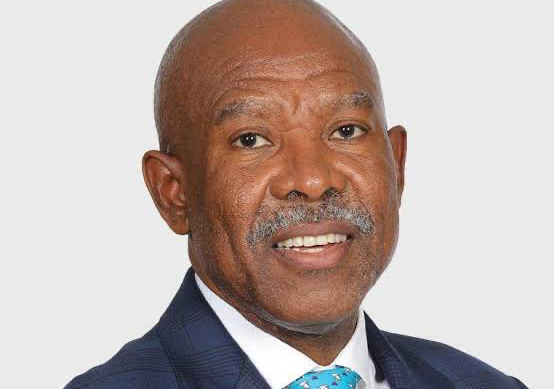
DAVOS, Switzerland – South African Reserve Bank (SARB) Governor Lesetja Kganyago signaled potential reforms to the country’s prime lending rate while noting that inflation is on track to meet the central bank’s new target of 3% in 2026.
Speaking at the World Economic Forum in Davos, Kganyago said the central bank favours ending the use of prime, the main reference rate commercial banks use to price trillions of rands in loans.
“We would like to have much more transparency, so that consumers know what is actually going on,” he said.
The prime rate has been fixed at 3.5% above the monetary policy rate since 2001, and the SARB is currently reviewing it.
[ICYMI] Governor Lesetja Kganyago sat down with @BloombergTV‘s @JoumannaTV to talk about the South African Reserve Bank’s 3% inflation target, the country’s economic outlook and central bank independence. The interview took place on the sidelines of the World Economic Forum 2026…
— SA Reserve Bank (@SAReserveBank) January 21, 2026
Potential reforms could involve abolishing the reference rate or adjusting the spread between prime and the policy rate. Any changes would require lenders to revise mortgages, overdrafts, vehicle-finance agreements, and credit-card contracts, potentially affecting bank income.
Kganyago also highlighted that inflation remains stable and within expectations. With annual inflation for 2025 due to be released on Wednesday, the SARB expects it between 3.2% and 3.4%.
“We expect that inflation this year would average 3.6% … all categories have got a three handle, which says we are on course even for 2026 to meet our new inflation target,” he said.
The central bank’s benchmark rate is currently 6.75%, and the Monetary Policy Committee will meet next week.
Kganyago added that there is room for another two 25-basis-point rate cuts this year, depending on economic conditions.
WATCH | Reserve Bank Governor Lesetja Kganyago says a country needs an independent central bank to maintain price stability. He warns that without this independence, monetary policy could be influenced by short-term political pressures. pic.twitter.com/OabCyQPvO8
— SABC News (@SABCNews) January 21, 2026
Follow African Insider on Facebook, X and Instagram
Picture: X/@Spha_Gruffy
For more African news, visit Africaninsider.com
Compiled by Betha Madhomu