Johannesburg – The City of Johannesburg will introduce Level 2 water use restrictions from 21 November 2026, tightening measures to curb consumption as pressure on the city’s water supply system continues.
The restrictions, announced on 18 November, are aimed at reducing water demand, replenishing reservoir levels and improving the reliability of supply across the city.
According to the City, continued high consumption has placed pressure on the available treated bulk water supplied by Rand Water, prompting Johannesburg Water to target a reduction of 200 million litres per day.
Under the new restrictions, residents and businesses will no longer be allowed to use municipal drinking water to irrigate gardens, lawns, parks and public spaces at any time. This replaces the limited watering hours previously permitted under Level 1 restrictions.
Hosing down driveways, paved areas, sidewalks and other hard surfaces using municipal water will also be prohibited, as will using drinking water to dampen building sand.
The restrictions apply to residential, commercial, institutional and other consumers. Municipal departments and entities are equally required to stop using drinking water to irrigate public spaces.
Pressure
The City said the measures also extend to municipal operations, with the Johannesburg Roads Agency and its contractors required to use treated effluent instead of drinking water for road construction. Johannesburg Water and its contractors must also use treated effluent for jetting activities.
In a statement, the City said: “The restrictions, declared in terms of section 58(4) of the City of Johannesburg Water Services By-laws, 2023, follow continued pressure on the water supply system, with high demand placing a strain on the available treated bulk water supplied by Rand Water.”
The financial impact of the restrictions will also be felt by consumers, with approved Level 2 water tariffs for the 2026/27 financial year coming into effect on 1 December, separate from the commencement of the restrictions.
Under the new tariff structure, conventionally metered households consuming between zero and six kilolitres per month will pay R7.80 per kilolitre.
Consumption above six kilolitres will attract higher charges, starting at R37.48 per kilolitre for usage between six and 10 kilolitres. The rate rises to R83.57 for consumption above 20 to 30 kilolitres and reaches R165.41 per kilolitre for monthly consumption exceeding 50 kilolitres.
Leaking taps
The City has urged residents and businesses to reduce consumption by fixing leaking taps, toilets and pipes, taking shorter showers and switching off taps when not in use.
Consumers are also encouraged to operate washing machines and dishwashers only when they have full loads, use buckets instead of hosepipes when washing vehicles and safely reuse suitable greywater for non-drinking purposes.
Johannesburg Water will intensify leak detection and repairs, pressure management, system monitoring and public awareness campaigns, while the City has warned that failure to comply could result in enforcement action under the Water Services By-laws.
The restrictions will remain in place until further notice and will be reviewed based on water demand, reservoir levels and prevailing supply conditions.
“Every litre saved contributes to reservoir recovery and helps improve water security for all Johannesburg residents,” the City said.
Follow African Insider on Facebook, X and Instagram
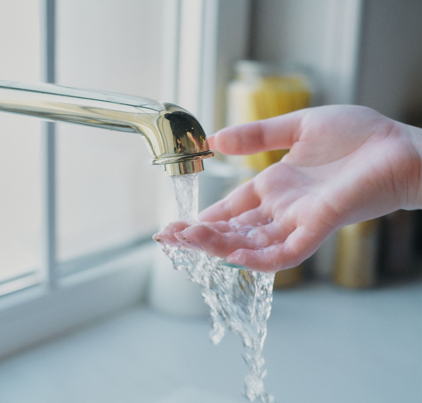
Picture: Pexels
For more African news, visit Africaninsider.com
Compiled by Betha Madhomu