Cape Town – South Africans buying luxury vehicles and high-value properties are facing increased scrutiny from the South African Revenue Service (SARS), which is using lifestyle audits and financial intelligence to identify taxpayers whose spending does not match their declared income.
According to BusinessTech, SARS completed 185 cases under its lifestyle and luxury vehicle audit focus area during the 2025/26 financial year, recovering R2.3 billion.
The revenue service is increasingly relying on information from banks, property records and other third-party sources to establish taxpayers’ financial circumstances and identify possible discrepancies between their reported earnings, assets and spending patterns.
“Displays of wealth, such as luxury cars and high-value properties, are being flagged and subjected to deeper scrutiny,” SARS said.
High-net-worth individuals
The crackdown is particularly focused on high-net-worth individuals with complex financial arrangements involving trusts, offshore assets and corporate holdings.
The latest figures reflect a broader enforcement strategy aimed at identifying undeclared income and recovering unpaid taxes.
In an earlier report, Moneyweb, citing Bloomberg, reported that SARS had been investigating luxury purchases as part of efforts to uncover individuals allegedly concealing their sources of income.
At the time, SARS Chief Revenue Officer Johnstone Makhubu said: “We’re starting to look at who is buying luxury apparel and we’re trying to find out where do these people get their money.”
Meanwhile, Daily Investor reported in January 2026 that proposed legislative changes could further expand lifestyle audit capabilities and information-sharing between government institutions.
Compliance revenue
Tax Consulting South Africa’s André Daniels warned that unexplained wealth could expose individuals to additional tax assessments, substantial penalties and possible criminal prosecution.
SARS’ wider enforcement efforts generated R319.2 billion in compliance revenue during the 2025/26 financial year, comprising R166.8 billion in cash collections and R152.4 billion in prevented revenue leakage.
The revenue service reported net tax revenue of R2.01 trillion, representing an 8.4% increase from the previous financial year.
However, the increased scrutiny does not mean that purchasing an expensive vehicle or property automatically makes someone a tax offender. The focus is on identifying discrepancies and establishing whether assets and lifestyles can be justified by legitimately declared income.
SARS has indicated that its enforcement measures will range from reminders and taxpayer engagements to investigations, court action, asset seizures and criminal prosecution, depending on the seriousness of the non-compliance.
Follow African Insider on Facebook, X and Instagram
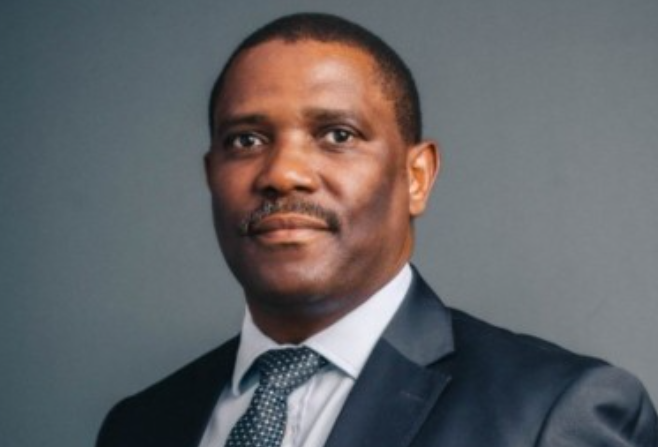
Picture: X/@GovernmentZA
For more African news, visit Africaninsider.com
Compiled by Betha Madhomu