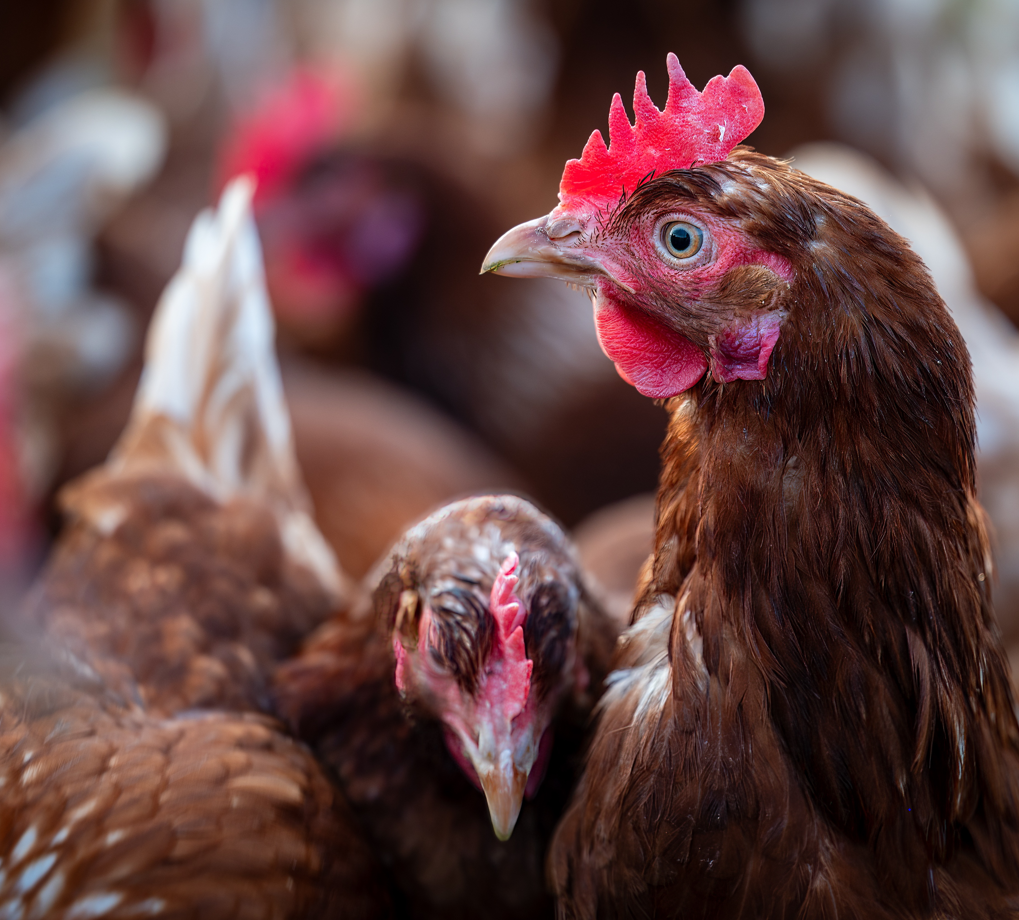
Johannesburg – South Africa’s largest integrated poultry producer, Astral Foods, could face renewed financial pressure as rising food inflation, higher fuel prices and the threat of El Niño raise concerns about its profitability in the coming months.
According to Daily Investor, analysts believe Astral’s earnings may have peaked following a strong recovery driven by lower animal-feed costs, improved operational efficiencies and higher chicken prices.
The company expects its headline earnings per share (HEPS) to increase by between 95% and 105% for the financial year ended September 2026, effectively doubling its earnings compared with the previous year.
Astral attributed the improved performance to softer maize and soya prices, increased feed sales, improved poultry farming efficiencies and stronger sales in higher-margin product segments.
However, All Weather Capital equity analyst Jarred Houston warned that changing market conditions could affect the company’s outlook.
Favourable position
“They’ve got support on the cost side, so feed costs are lower, but also support on the revenue side from higher realised chicken prices,” Houston said, describing Astral as being in a favourable position in its business cycle.
He cautioned that the outlook could become more complicated as weather patterns threaten agricultural production and potentially push up feed prices.
Benguela Global Fund Managers chief investment officer Zwelakhe Mnguni also expressed concern, saying: “I think there’s no doubt that their earnings are at a peak at the moment.”
Mnguni pointed to rising oil and fuel prices, food inflation and disruptions to fertiliser supplies in the Middle East as additional risks that could increase production costs.
Astral’s latest performance follows a difficult period between 2022 and 2023, when the company faced avian influenza outbreaks, persistent load-shedding and escalating operating expenses.
Electricity disruptions
According to EWN, the company recorded a 348% increase in operating profit to R1.21 billion in the six months ended March 2026, supported by stronger chicken demand and declining feed costs.
Astral chief executive Gary Arnold also acknowledged that electricity disruptions remained an expense, saying municipal load-shedding still cost the business up to R5 million a month in diesel used to operate generators.
Meanwhile, the broader poultry industry has been working to strengthen local production and reduce its dependence on imports.
Business Day reported that the sector had increased production by 26% between 2019 and 2025, despite challenges including bird flu, elevated input costs and infrastructure constraints.
However, industry efforts to expand exports have also faced setbacks, with the Middle East conflict disrupting South African poultry shipments to the United Arab Emirates.
Astral is expected to publish its full 2026 financial results on November 23, with investors closely watching whether its strong recovery can be sustained amid mounting cost pressures.
Follow African Insider on Facebook, X and Instagram
Picture: Pixabay
For more African news, visit Africaninsider.com
Compiled by Betha Madhomu