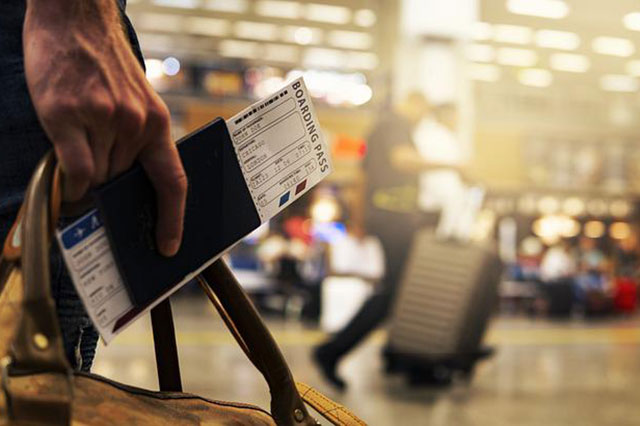
Cape Town – Travellers could soon move through airports without repeatedly presenting physical passports or boarding passes as the global aviation industry accelerates efforts to introduce digital travel credentials and biometric identification systems.
The shift towards contactless travel is gaining momentum, with the International Air Transport Association (IATA) reporting growing passenger interest in digital identity solutions that promise faster check-ins, shorter queues and more efficient border processing.
According to BusinessTech, an IATA survey involving more than 10,000 respondents across over 200 countries found that just over 80% of passengers were interested in using digital passports for online check-in.
The proposed system would allow travellers to store digital versions of their passports on mobile devices, with facial recognition technology verifying their identities at airport checkpoints.
The development received a significant boost this week after IATA announced that Air New Zealand and Hong Kong International Airport had become the first organisations to achieve its One ID certification.
Transition is not without challenges
In its 28 October announcement, IATA said the certification recognised systems that meet international standards for digital identity and biometric processing.
The association’s 2026 Global Passenger Survey found that 78% of passengers would be willing to share their biometric information to avoid presenting physical travel documents at airport checkpoints.
Hong Kong International Airport has already recorded significant uptake of the technology, with more than 93 million passengers having used its Flight Token biometric identification system since its introduction in 2021.
However, the transition is not without challenges. Aviation industry expert Linden Birns, managing director of Plane Talking, told BusinessTech that governments were struggling to keep pace with passengers’ willingness to embrace digital travel.
Differences in immigration systems, passport standards and visa requirements could complicate the adoption of a universally compatible system.
Greater automation
Concerns about privacy and cybersecurity also remain significant, with the IATA survey indicating that around 60% of respondents were worried about biometric data breaches.
Meanwhile, South Africa is already moving towards greater automation at its borders.
According to MyBroadband, Home Affairs Minister Leon Schreiber said facial biometric verification was being introduced through the department’s Electronic Travel Authorisation (ETA) and Enhanced Movement Control System (EMCS 2.0).
Following successful pilot programmes at OR Tambo International Airport, Cape Town International Airport and Lanseria International Airport, the government envisaged extending the systems to all major ports of entry by 31 March 2027.
Schreiber said the rollout would help replace lengthy queues and paper-based processes with automated identity verification.
The broader international transition will, however, require governments to establish legal and technical frameworks for issuing and accepting Digital Travel Credentials across borders.
While digital passports could eventually transform international travel, physical documentation is expected to remain necessary during the transition, particularly in countries that have yet to adopt compatible systems.
Follow African Insider on Facebook, X and Instagram
Picture: Pixabay
For more African news, visit Africaninsider.com
Compiled by Betha Madhomu