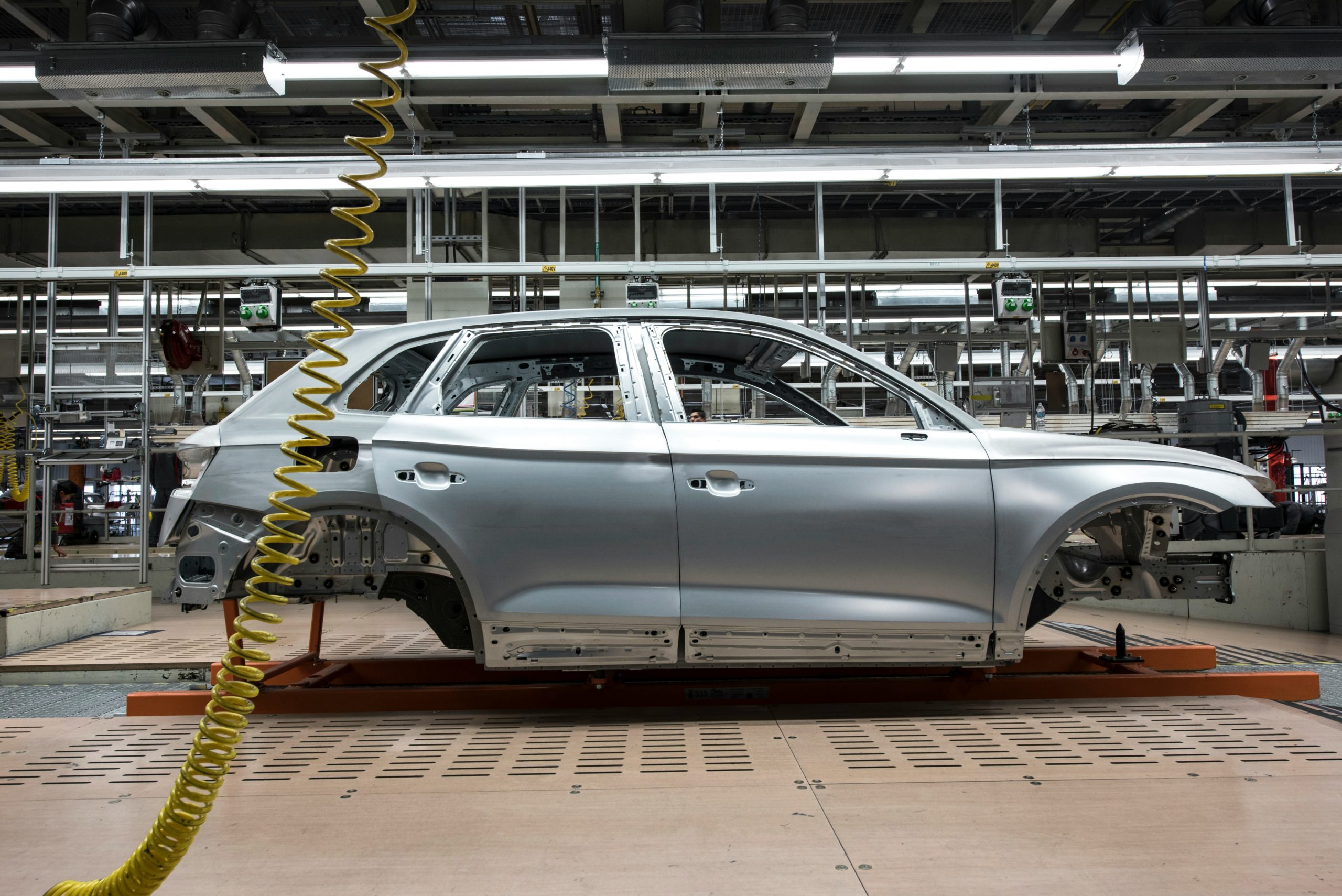
The Chinese automotive manufacturer Chery will kick off South African production with its Omoda 4 model.
Chery bought Nissan South Africa’s Rosslyn plant in Gauteng in 2025, and is upgrading factory infrastructure and utilities, reports Moneyweb.
Read more: Chinese auto giant to establish factory in South Africa
The company also has plans to manufacture its Jaecoo J5 at the plant.
A localisation drive also aims to broaden its supplier base in South Africa and increase local content, according to Automotiveworld.
‘Investing in local production is a decision about the kind of business we want Omoda and Jaecoo to become in South Africa. The C4 will give us a place in the country’s manufacturing industry, while its petrol, hybrid and fully electric range will give our customers greater choice when buying an Omoda,’ said Shannon Gahagan, head of brand and marketing for Omoda and Jaecoo South Africa.
Chery South Africa chief executive Tony Liu told the Mail & Guardian that manufacture of the Omoda C4 hybrid will start in Q3/2027, followed by two other Chery models: the Grootman and the Jetour T2.
Read more: No longer a joke: Chinese vehicles win over South African buyers
The recently unveiled Chery Grootman hybrid bakkie will feature a braked towing capacity of up to 3 500 kg and an electric-only range of up to 100 km.
The name is South African. The build will be too. You don’t give a bakkie a name like Grootman and then build it anywhere else. The name came from South Africans. Now the most South African Chinese bakkie will be built by South Africans, right here at our Rosslyn plant in 2027. Proper Grootman energy. #CheryGrootman #Grootman #BuiltLocal #MadeInSouthAfrica #CherySA
— Chery SA (@SA_Chery) October 12, 2026
Chery’s localisation programme is in line with the South African government automotive master plan, which targets a local content of 60% by 2035. Local content currently sits at less than 40%, reports Investec.
The Retail Motor Industry organisation estimates that the local automotive aftermarket supports more than 310 000 jobs across at least 23 000 businesses, while it also contributes an estimated ZAR202.6-billion in added value to the South African economy.
Earlier in October, the Minister of Trade, Industry and Competition, Parks Tau, indicated that government plans to phase out semi-knock-down (SKD) operations and no longer provide policy support for any new SKD facilities in the country.
‘We will work to strengthen the legal definitions around what we determine as complete-knock-down (CKD) manufacturing,’ he told attendees at the SA Auto Week in Durban.