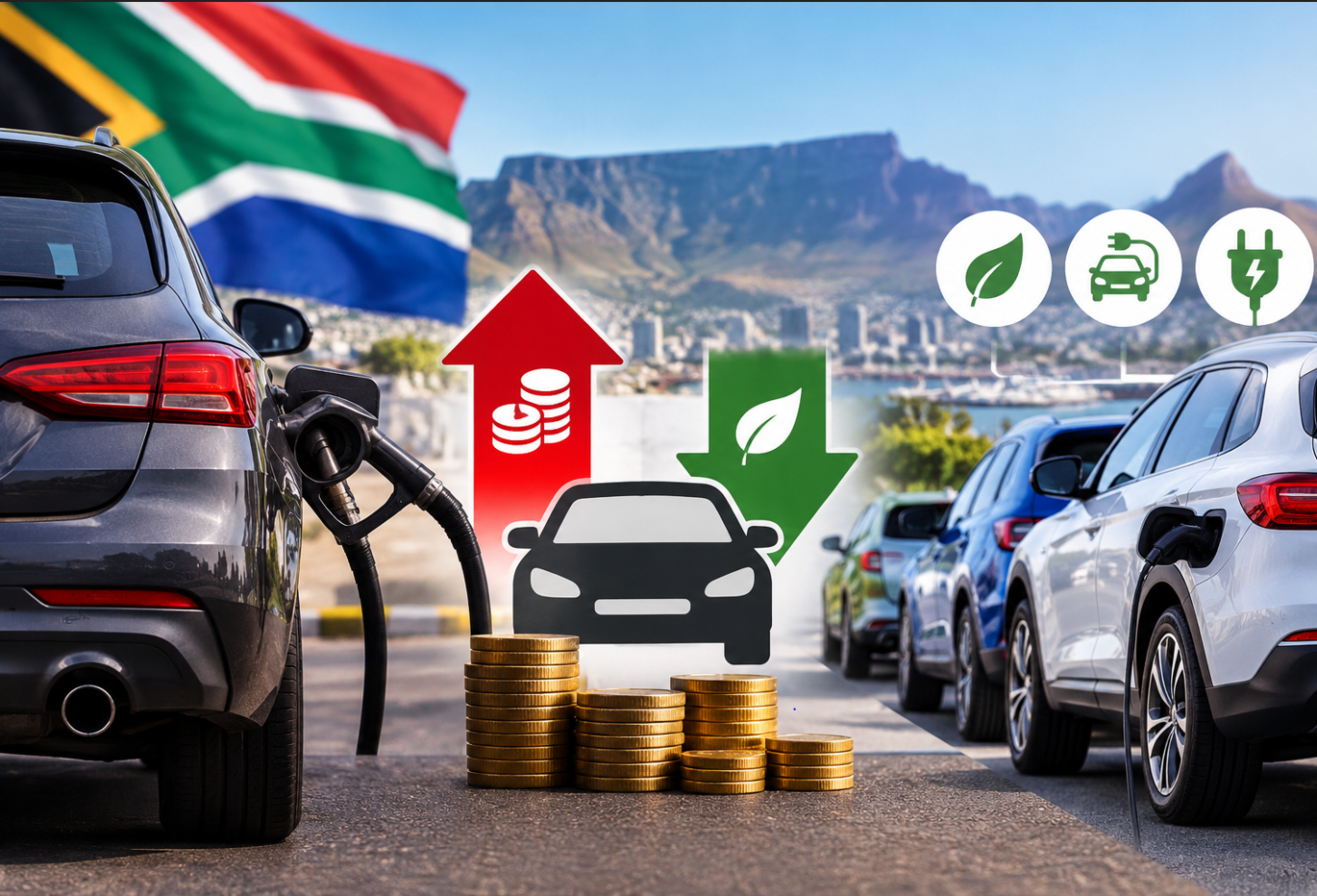
Cape Town – South African motorists could face additional costs under a proposed vehicle tax system that would penalise less fuel-efficient cars while rewarding buyers of more efficient petrol, hybrid and electric vehicles.
The proposal forms part of the Department of Electricity and Energy’s draft National Energy Efficiency Strategy (NEES), which is seeking public feedback on measures to improve fuel efficiency and reduce vehicle emissions.
According to MyBroadband, the proposed system would operate as a “feebate”, with levies imposed on inefficient vehicles funding rebates for models that meet fuel-efficiency standards.
“To sustain competitiveness in international markets by not being phased out from export markets where fuel efficiency standards exist, South Africa needs mandatory fuel economy standards,” the department said.
The strategy proposes that the standards apply to all new vehicle sales, with requirements tightened every three years. However, the fuel-efficiency thresholds and levy amounts have not yet been determined.
Revenue-neutral feebate system
The draft strategy also proposes restructuring the existing vehicle carbon dioxide (CO₂) levy into a system that encourages the purchase of more efficient vehicles.
“The levy must be restructured into a revenue-neutral feebate system paying rebates for efficient vehicles funded by levies on inefficient vehicles,” the department said.
The proposal comes as South Africa considers broader changes to vehicle-related taxes and funding mechanisms amid the growing adoption of electric and hybrid vehicles.
MyBroadband reported earlier that the Road Accident Fund (RAF) was investigating a separate proposal to introduce a levy on vehicle registrations or annual licence disc renewals as an alternative source of revenue.
The RAF’s proposal was intended to help address declining fuel sales, which affect revenue from its existing levy on petrol and diesel. However, the fund had not specified how much motorists could be charged or whether the proposed fee would apply to all vehicles.
Eco-driving
AutoTrader, in its report on South Africa’s proposed new car tax, reported that the government had not finalised the separate RAF funding proposal or announced a preferred option.
The two proposals are distinct: the energy-efficiency strategy seeks to incentivise cleaner, more efficient vehicles, while the RAF is exploring alternative ways to finance compensation for road accident victims.
Beyond vehicle taxation, the draft energy strategy proposes incorporating eco-driving into the national driving-licence curriculum and professional driver training programmes.
“Driver behaviour influences vehicle consumption by 15–20%, but eco-driving is not systematised,” the department said.
The proposals remain under consideration, and motorists should not interpret them as an immediate tax increase. The potential financial impact will depend on the standards, levy structure and implementation arrangements ultimately adopted by the government.
Follow African Insider on Facebook, X and Instagram
Picture: ChatGPT
For more African news, visit Africaninsider.com
Compiled by Betha Madhomu