Johannesburg – South Africa’s Parliament has given the Department of Communications and Digital Technologies six months to finalise a sustainable funding framework for the South African Broadcasting Corporation (SABC), including a replacement for its struggling television licence collection system.
According to MyBroadband, the parliamentary Portfolio Committee on Communications and Digital Technologies wants the framework to address both the replacement of TV licences and funding for the public broadcaster’s public-service obligations.
“The framework had to address the replacement of the current television licence collection model, the funding of public service mandate obligations, and report back to the committee within 6 months,” the committee said, according to MyBroadband.
The deadline comes as the government works on a broader overhaul of the SABC’s funding model amid declining licence-fee collections and mounting financial pressure on the broadcaster.
Revised funding model
Communications Minister Solly Malatsi has set 31 March 2027 as the target for submitting a revised funding model. The proposal will inform amendments to the SABC Bill, which is expected to be submitted to Parliament during the 2027/28 financial year.
The replacement system is intended to address the shortcomings of the existing model, under which only 15% of TV licence holders paid their fees in the 2024/25 financial year. MyBroadband reported that the SABC lost approximately R22.8 billion in uncollected licence revenue between 2019/20 and 2024/25.
The financial challenges have prompted calls for a new funding mechanism. In a March report, TimesLIVE quoted Media Monitoring Africa director William Bird as saying: “Realistically we need a new model.”
Bird argued that the broadcaster must demonstrate the value of its services to the public while ensuring that payments remain affordable.
Possible alternatives previously considered include a household levy, government grants and other public funding arrangements, alongside commercial revenue from advertising, sponsorships and content licensing. However, the government has yet to announce its final choice.
Proposed reforms
The SABC has maintained that adequate public funding is essential to sustaining its broadcasting obligations. In an official statement on its funding model and legislative reforms, chief executive Nomsa Chabeli said fulfilling its extensive public-service mandate without adequate public funding was “unsustainable”.
The broadcaster has been allocated R728.8 million from the National Revenue Fund over a three-year period to support its mandate, programme production and Channel Africa. However, Malatsi has cautioned the SABC against assuming that additional funding will be forthcoming, urging it to continue implementing revenue-generation, cost-containment and financial-management measures.
Despite the proposed reforms, the existing TV licence system remains legally enforceable. The Organisation Undoing Tax Abuse (OUTA) has warned that consumers remain liable for applicable fees until the law changes.
“Failure to pay a TV licence remains a contravention of the law and legal consequences are still possible, including fines or imprisonment upon conviction,” OUTA said, according to MyBroadband.
The six-month deadline therefore marks a step towards reform rather than the immediate abolition of TV licences. The eventual changes will depend on the funding framework selected by government and the subsequent legislative process.
Follow African Insider on Facebook, X and Instagram
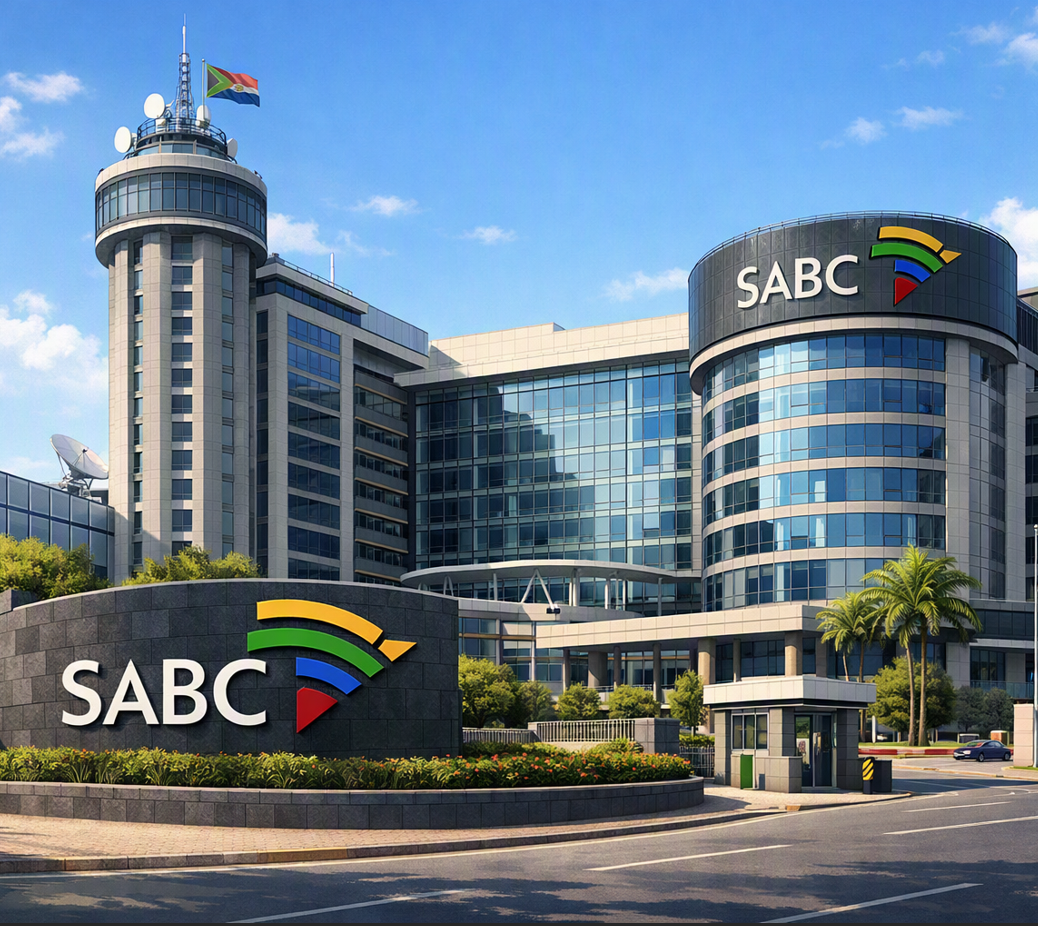
Picture: Copilot
For more African news, visit Africaninsider.com
Compiled by Betha Madhomu