Johannesburg – South Africa will phase out existing semi-knocked-down (SKD) vehicle assembly operations and stop providing policy support for new facilities that rely on importing near-complete vehicles for local assembly.
According to Reuters, the policy shift is intended to encourage automakers to manufacture more vehicles locally and source a greater proportion of components from South African suppliers.
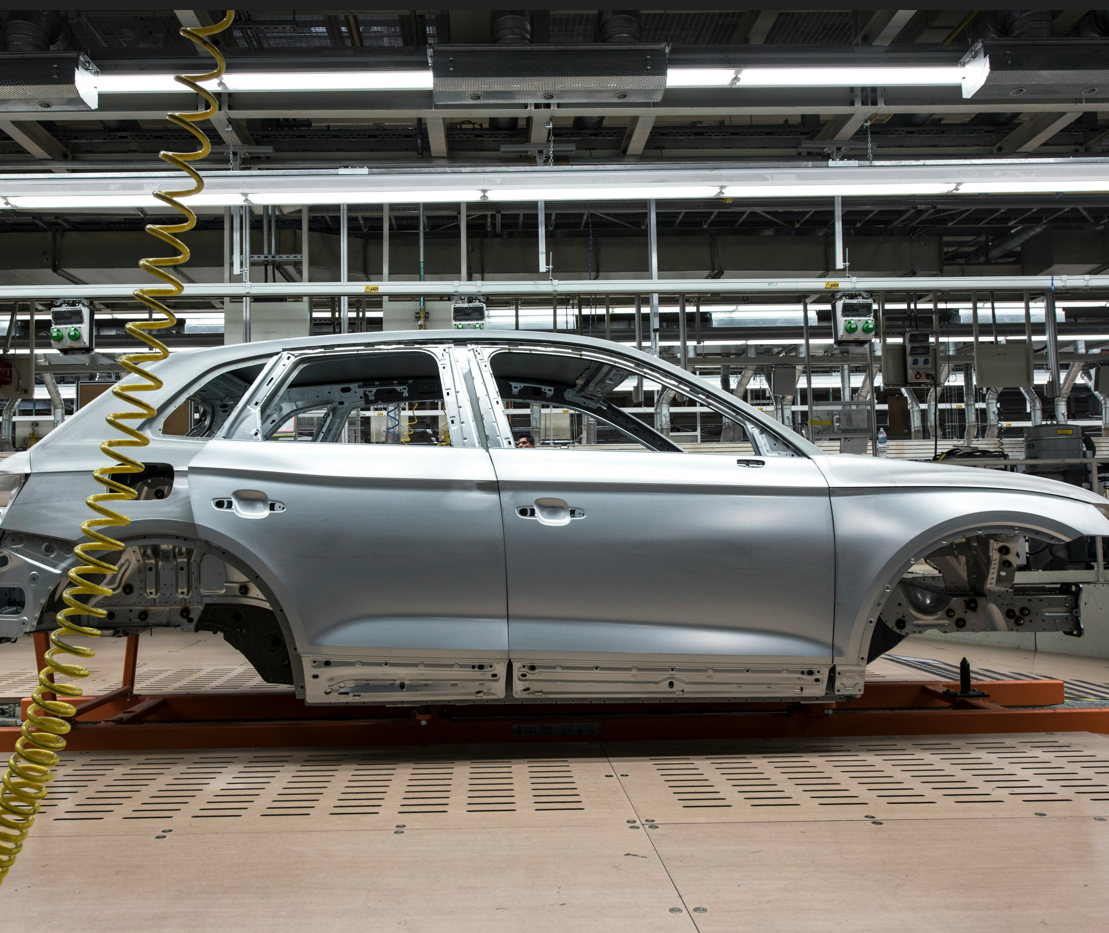
SKD assembly involves importing vehicle bodies and most components in kit form for assembly in South Africa, while complete-knocked-down (CKD) manufacturing involves building vehicles from more extensively disassembled components, with greater opportunities for local production.
The government’s Department of Trade, Industry and Competition said the decision followed discussions with industry representatives and organised labour as part of a review of the Automotive Production and Development Programme.
The changes will not apply to medium and heavy commercial vehicles. Authorities also plan to strengthen the legal definitions governing CKD manufacturing to ensure that supported operations involve genuine local production.
Local content target of 60%
South Africa’s Automotive Master Plan aims to increase local content in domestically manufactured vehicles from an average of 38% to 60%, double employment in the sector and raise the country’s share of global vehicle production to 1% by 2035.
The move follows calls from established manufacturers to close what they consider a loophole that allows companies to assemble imported kits with limited local investment and job creation.
BMW Group South Africa chief executive Peter van Binsbergen told Reuters that SKD operators were benefiting from favourable import arrangements “without creating any investments and hardly creating any jobs”.
Toyota South Africa Motors chief executive Andrew Kirby also called for the phase-out of SKD operations, saying: “So our strong request is that we phase out SKD in South Africa and that we strengthen the competitiveness of CKD.”
Meanwhile, Moneyweb reported that the government would investigate whether additional protection was needed for the light commercial vehicle segment, including pickup trucks and vans.
Tau said any additional protection should be accompanied by commitments to local production, employment, investment, exports and transformation.
The policy changes form part of broader efforts to strengthen South Africa’s automotive manufacturing base amid rising vehicle imports and concerns about pressure on local suppliers and jobs.
Follow African Insider on Facebook, X and Instagram
Picture: Unsplash
For more African news, visit Africaninsider.com
Compiled by Betha Madhomu