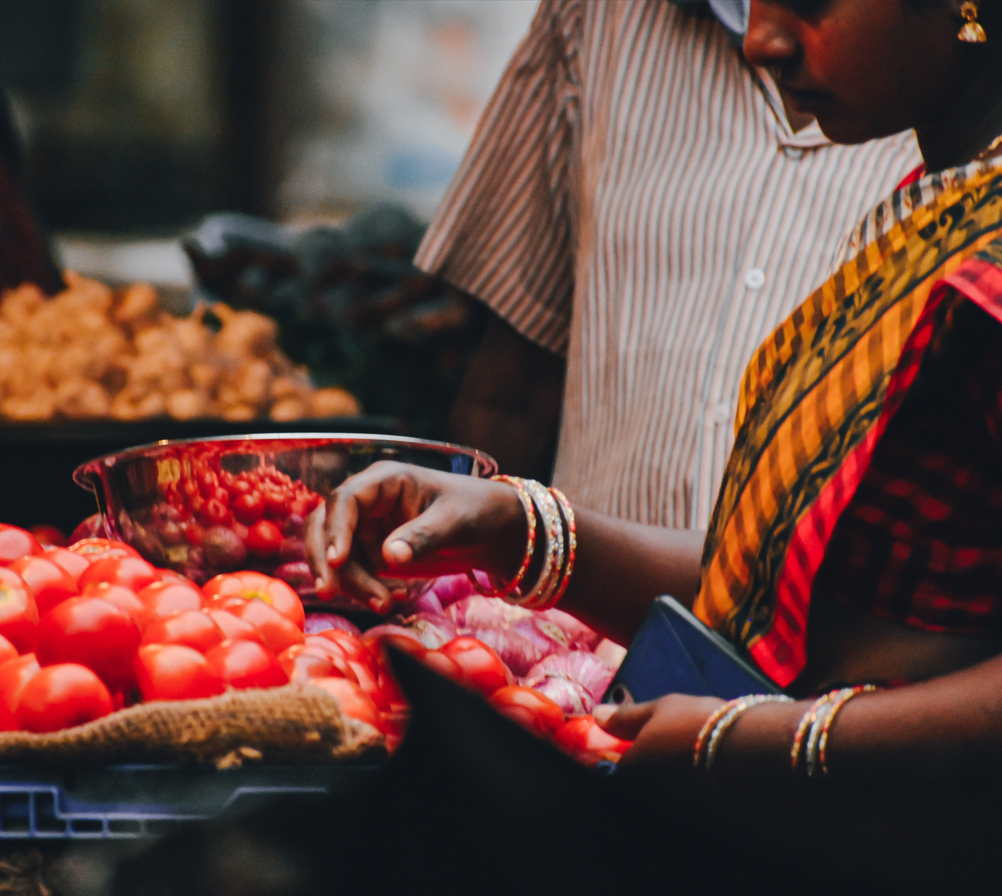
Johannesburg – Anti-foreigner protests in South Africa are disrupting trade at Gauteng’s municipal fresh produce markets, with declining buyer numbers and lower sales volumes putting pressure on farmers, market agents and food distribution networks.
According to FreshPlaza, buyers from Zimbabwe, Mozambique, Eswatini, Lesotho and Botswana have reduced their purchases or stopped visiting markets in Johannesburg and Pretoria amid fears of further anti-immigrant action.
A Johannesburg market agent told FreshPlaza that the protests had caused “a stark imbalance to the existing market ecosystem”, affecting produce distribution, competition among buyers and farmers’ financial sustainability.
Foreign traders play a significant role in distributing fresh produce to informal retailers, particularly in lower-income communities. Their reduced purchasing has left farmers struggling to sell smaller produce and lower-grade stock, increasing the risk of unsold perishable goods and reduced returns.
Economic damage
At Pretoria’s municipal market, one agent described the change in buying behaviour, saying: “The guys are afraid of keeping stock. They’re not buying so much anymore, so they don’t have so much to lose.”
The disruption comes amid wider anti-migrant protests across South Africa. Reuters reported in July that anti-migrant mobilisation was raising concerns about economic damage, particularly in sectors dependent on migrant workers and informal businesses.
Research published in Frontiers in Sustainable Food Systems further highlights the importance of the Johannesburg Fresh Produce Market to South Africa’s food system. The study identifies the market as a key source of fresh produce for low-income communities through informal traders and reports that it handles around 20% of the value of fresh produce produced and sold nationally.
The disruption is also changing buying patterns, with remaining buyers increasingly favouring consistent quality, professional packaging and longer shelf life.
Market agents have urged farmers to improve grading, presentation and communication with buyers as they adapt to changing market conditions. However, the reported decline in purchasing highlights how anti-foreigner actions can have consequences beyond migrant communities, threatening farmers’ incomes and the supply of affordable fresh produce.
Follow African Insider on Facebook, X and Instagram
Picture: Pixabay
For more African news, visit Africaninsider.com
Compiled by Betha Madhomu