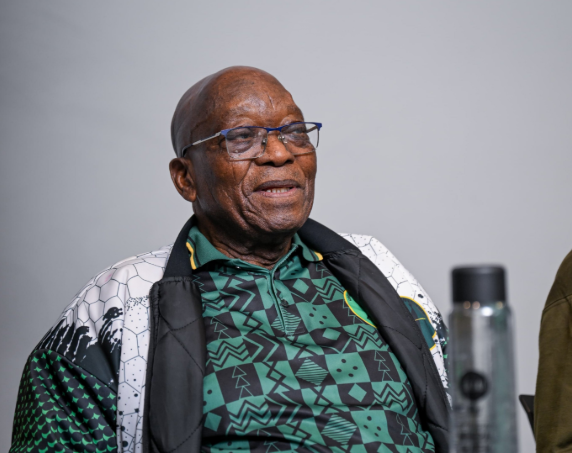
Cape Town – Former presidents Jacob Zuma and Thabo Mbeki are set to appear before the judicial inquiry investigating alleged interference in the investigation and prosecution of apartheid-era crimes.
Mbeki is expected to testify on 19 and 20 October, while Zuma is scheduled to appear before the inquiry on 22 October.
The inquiry, chaired by retired Justice Sisi Khampepe, is investigating allegations that efforts were made to prevent or delay the investigation and prosecution of cases arising from the Truth and Reconciliation Commission (TRC).
eNCA reported that the two former presidents will now testify after their attempts to have Khampepe removed as chairperson failed.
The Constitutional Court dismissed their challenge at the end of August, bringing their legal battle over Khampepe’s role to an end.
Former presidents Thabo Mbeki and Jacob Zuma will testify before the Khampepe Commission later this month. Meanwhile, Feroz Khan’s testimony before the Madlanga Commission has been postponed indefinitely following the death of his uncle-in-law. Catch up on the afternoon’s top stories with Gareth Edwards on #eNCA, channel #DStv403.
— eNCA (@eNCA) October 6, 2026
Why Zuma and Mbeki challenged Khampepe
Zuma and Mbeki had argued that Khampepe should recuse herself because of her previous roles at the TRC and National Prosecuting Authority (NPA).
Khampepe served as a TRC commissioner between 1995 and 2001 and was a member of its Amnesty Committee. She later served as a Deputy National Director of Public Prosecutions between 1998 and 1999.
The former presidents argued that these previous positions created a reasonable perception that she could be biased in the inquiry.
Khampepe rejected their recusal applications in January.
According to Business Day in April that the commission’s evidence leader, Advocate Ishmael Semenya, argued that the legal challenge was delaying the former presidents’ accountability over allegations concerning political interference in apartheid-era prosecutions.
The Constitutional Court ultimately dismissed the latest challenge.
What the inquiry is investigating
The inquiry is examining allegations that political interference contributed to the failure to investigate and prosecute apartheid-era crimes identified through the TRC process.
The families of victims, known as the Calata Group, have pushed for answers over why cases referred for possible prosecution were not properly pursued.
Lukhanyo Calata, whose father was one of the Cradock Four activists murdered in 1985, called for both former presidents to account before the inquiry.
The commission has heard evidence about alleged political decisions and the handling of cases referred to the NPA.
Former justice minister Jeff Radebe was among those who recently appeared before the inquiry.
Radebe told the commission he was unaware of any formal or informal agreements aimed at stopping apartheid-era prosecutions.
Legal battle is over
The Constitutional Court judgment dealt with Zuma and Mbeki’s challenge to Khampepe’s continued involvement in the inquiry.
The court record shows that both former presidents had argued that Khampepe’s previous institutional roles placed her too close to the historical events being examined.
Their challenge failed, meaning the inquiry will proceed with Khampepe as chairperson.
The commission’s term was extended by President Cyril Ramaphosa to allow it more time to complete its work.
The upcoming testimony by Zuma and Mbeki is expected to provide the inquiry with their responses to allegations concerning the handling of apartheid-era cases during and after their administrations.
Follow African Insider on Facebook, X and Instagram
Picture: X/@MkhontoweSizwe
For more African news, visit Africaninsider.com
Compiled by Glaan Sibuyi