Cape Town – The sale of Burger King South Africa to US private-equity firm ECP Africa was nearly derailed by concerns over black ownership, highlighting the growing role of B-BBEE considerations in major mergers and acquisitions.
According to Daily Investor, the proposed transaction involved ECP acquiring 95.78% of Burger King South Africa and 100% of Grand Foods Meat Plant from JSE-listed Grand Parade Investments (GPI). At the time, GPI had 68.56% ownership by historically disadvantaged persons (HDPs), including 22.87% held by black women.
The Competition Commission initially prohibited the transaction in June 2021, despite finding that it was unlikely to substantially lessen competition. The regulator was instead concerned that the deal would remove GPI’s black ownership from Burger King.
Business Day reported that the proposed buyer, Emerging Capital Partners (ECP), had no HDP or worker shareholders, meaning the transaction would substantially change Burger King’s ownership profile.
Foreign direct investment
The Competition Commission described the transaction as having a negative effect on “the spread of ownership”, particularly ownership by historically disadvantaged people and workers.
The decision also drew criticism from some business and investment circles. ECP argued the transaction would bring about R700 million in foreign direct investment into South Africa over five years, in addition to about R550 million in proceeds to GPI’s predominantly black shareholders, Financial Mail reported.
The parties subsequently returned to the negotiating table and offered revised commitments. These included about R500 million in capital investment, an expansion of the Burger King store network, additional employment and increased local procurement.
Crucially, the revised agreement included a 5% employee share-ownership programme and the sale of the Grand Foods Meat Plant to an HDP purchaser.
A much better package
Speaking to Moneyweb, Competition Commission chief legal counsel Bakhe Majenge said the transaction initially presented a “difficult scenario” because Burger King’s BEE ownership would move from 68% to effectively 0%.
“What has changed is that we have received a much better package of commitment from Burger King,” Majenge said.
The Competition Tribunal ultimately approved the transaction with conditions in September 2021, after the revised commitments addressed the public-interest concerns. The Tribunal’s official reasons confirmed that the Commission had initially prohibited the deal because of its impact on the spread of HDP ownership.
The sale was subsequently implemented, with GPI confirming in November 2021 that the remaining conditions had been fulfilled or waived.
The Burger King case, as highlighted by Daily Investor, illustrates how B-BBEE and broader public-interest considerations can become decisive factors in South African mergers, even where regulators find that a transaction does not raise significant conventional competition concerns.
Follow African Insider on Facebook, X and Instagram
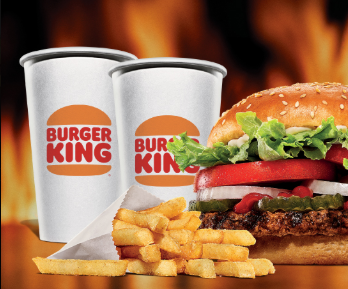
Picture: X /@BurgerKingZA
For more African news, visit Africaninsider.com
Compiled by Betha Madhomu