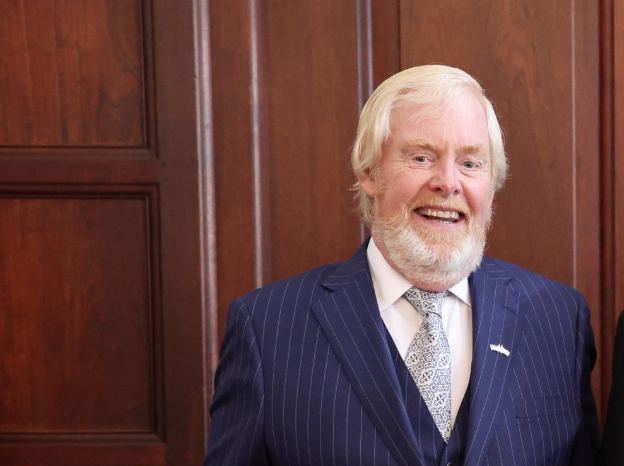
Pretoria – US Ambassador to South Africa Leo Brent Bozell III has defended Washington’s decision to impose visa restrictions on certain South African nationals, saying the action followed months of unsuccessful engagement with Pretoria over five demands.
Writing in an opinion piece titled The Cost of Doing Nothing, Bozell said the US had raised concerns over land expropriation, rural crime, race-based policies and the “Kill the Farmer! Kill the Boer!” chant.
He said Washington had presented its “Five Asks” to the South African government in November 2025 and believed they could be resolved to strengthen bilateral relations.
“We felt they were simple, could and would be answered in the affirmative by the South African government because they, too, would want to strengthen our bilateral relationship,” Bozell wrote.
According to Bozell, the first ask was for Pretoria not to interfere with the US programme processing Afrikaner refugees. He said Washington considered that issue addressed.
Uncompensated land seizures
The second concerned uncompensated land seizures and South Africa’s 2024 Expropriation Act, which he said remained under judicial review.
Bozell said Washington then focused on three outstanding demands.
The US wanted President Cyril Ramaphosa and other senior officials to condemn the “Kill the Farmer! Kill the Boer!” chant, rural crime to be formally designated a priority crime, and alternatives to Broad-Based Black Economic Empowerment (BBBEE) ownership requirements to be allowed in the telecommunications and mining sectors.
Bozell said he returned from Washington last month with a message that the US had “run out of patience” with Pretoria’s failure to provide answers.
“Answers – positive or negative needed to be given by a certain date, and the United States would respond accordingly,” he wrote.
‘The message was clear’
He claimed Ramaphosa’s subsequent response failed to meaningfully address the three outstanding issues.
“It is safe to say my government was not just disappointed, it was shocked,” Bozell said.
“The message was clear: The South African government does not want a constructive relationship with the United States.”
Washington subsequently announced visa restrictions targeting South African nationals it believes are responsible for, or complicit in, policies involving uncompensated land seizures, race-based discrimination or the incitement of imminent violence against minority groups.
Bozell described the restrictions as a “first response, calibrated and specific”, but warned that they may not be the final US action.
“We don’t have a quarrel with the young entrepreneur in Soweto or the winemaker outside Stellenbosch or the software engineer in Durban trying to build a better life,” he wrote.
“Our disagreement is with the government that continues to put its ideology above its own people.”
Bozell also warned that the dispute could affect US investment in South Africa, particularly in critical minerals, energy and telecommunications.
“This is the cost of doing nothing,” he wrote.
South African officials have disputed Washington’s account of the negotiations, saying Pretoria has engaged with the US on the outstanding issues and that the country remains willing to resolve differences without compromising its sovereignty or national interests.
Follow African Insider on Facebook, X and Instagram
Picture: X/@PresidencyZA
For more African news, visit Africaninsider.com
Compiled by Betha Madhomu