Johannesburg – The South African Reserve Bank has raised interest rates by 25 basis points, taking the repo rate to 7.25% and the prime lending rate to 10.75%, as rising fuel prices continue to threaten the inflation outlook.
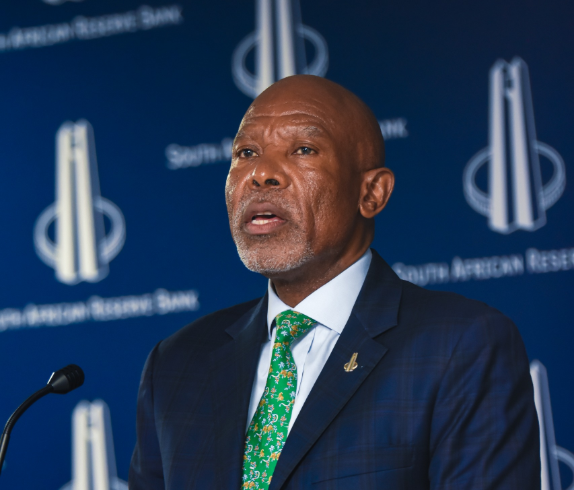
The increase was announced by Reserve Bank Governor Lesetja Kganyago on Wednesday following a unanimous decision by the Monetary Policy Committee.
The Reserve Bank is raising its inflation expectations because of renewed pressure from fuel prices. Petrol is rising again after moderating between June and August, with the current average under-recovery at R2.83 a litre.
“Headline inflation will likely be above 5% later this year and early next year, before slowing as the fuel shock recedes,” Kganyago said. He added that inflation was expected to return to around 3% towards the end of 2027.
Fuel prices drive inflation concerns
The rate hike comes as South Africa’s annual consumer inflation increased to 4.4% in August, from 4.3% in July, according to Statistics South Africa data.
Transport was among the biggest contributors, with annual transport inflation at 8.8%. Business Day reported that higher petrol and diesel prices contributed to the increase.
The Citizen reported that economists were particularly concerned about further fuel increases in September and October and the possibility that higher fuel costs could spread into other prices.
Standard Bank economist Elna Moolman said the Reserve Bank could remain concerned about so-called second-round effects, where fuel costs begin feeding into broader inflation.
Kganyago said the central bank was aware that the initial impact of price shocks should be looked through, but warned of the consequences of prolonged increases.
“Unfortunately, large and sustained shocks, like those we are experiencing now, are more likely to trigger second-round effects, where individual price changes evolve into widespread increases,” he said.
Growth remains under pressure
The rate decision comes against a weaker domestic economic backdrop. BusinessTech reported that South Africa’s economy contracted by 0.2% in the second quarter, while the Reserve Bank expects annual growth of 1.2% this year.
EWN reported that the MPC was weighing inflationary pressures against weak economic growth before Wednesday’s decision.
The Reserve Bank said global geopolitical tensions and energy shocks were adding to economic uncertainty.
“A few months back, it seemed that the fuel-price shock might be unwinding, but now it has intensified,” Kganyago said, according to EWN.
Despite the higher interest rate, the Reserve Bank’s projection model indicates that the policy rate could remain broadly stable for the rest of the year, with possible cuts later as inflation moves back towards the 3% target. Kganyago stressed that future decisions would continue to be made on a meeting-by-meeting basis.
The next and final MPC meeting of 2026 is scheduled for November.
Follow African Insider on Facebook, X and Instagram
Picture: X/@SAReserveBank
For more African news, visit Africaninsider.com
Compiled by Betha Madhomu