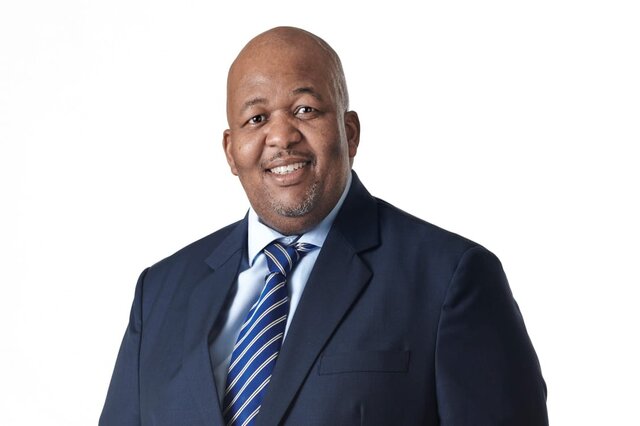
Johannesburg – Eskom’s turnaround is gaining momentum under CEO Dan Marokane, with the power utility recording its first annual profit in eight years while dramatically reducing load shedding, according to Daily Investor.
Eskom reported a R30.35 billion profit for the financial year ended March 2026, more than double the R14 billion recorded a year earlier. The utility also implemented rolling blackouts on just four days during the year, compared with 329 days in 2024.
Eskom’s Energy Availability Factor (EAF) improved from 54.56% in 2024 to 60.6% in 2025, before reaching 65.16% in 2026. The utility also achieved 365 consecutive days without load shedding on 15 May 2026.
Eskom chairman Mteto Nyati has credited Marokane’s leadership for the improvement, saying it had “driven Eskom’s recovery with purpose and determination.”
According to the report, Nyati previously contrasted Marokane’s performance with that of former CEO André de Ruyter, saying: “If André de Ruyter had done half of what Dan Marokane has done at Eskom, he would be called ‘Mr. Fix-It’.”
Electricity sales volumes
Marokane took over as Eskom CEO in March 2024, about a year after de Ruyter resigned. De Ruyter later described the position as highly pressured and complex, saying: “I would have liked to be seen as the knight on the white horse coming in and fixing all the problems. Clearly, this is impossible.”
However, the turnaround is not without challenges. Reuters reported that Eskom’s electricity sales volumes fell 6.2%, while municipal debt increased by 17.9% to R111.6 billion. Eskom’s gross debt stood at R356 billion at the end of March.
Reuters also reported that the improved financial results were supported by a 12.7% average electricity tariff increase, while weaker demand remains a concern for the utility. Municipalities and metropolitan areas account for more than 40% of Eskom’s electricity sales.
Eskom itself says the recovery is continuing. Its latest update, published on 4 September, said its 2026 winter performance saw the EAF reach 67.79%, its highest level since 2020, while diesel expenditure fell by R4.84 billion.
The improvement has also changed South Africa’s electricity landscape. A report by Financial Times said earlier this year that Marokane said the country had moved from consistent supply of just 9% two years earlier to 99.8%, describing the improvements as “sustained”.
Despite the progress, Eskom still faces significant financial and structural challenges, including falling electricity demand, municipal arrears and the need to maintain the improved performance of its ageing generation fleet.
Follow African Insider on Facebook, X and Instagram
Picture: X/@Eskom_SA
For more African news, visit Africaninsider.com
Compiled by Betha Madhomu