Johannesburg – South Africa is bracing for potentially disappointing economic growth figures next week, with economists expecting the economy to have contracted in the second quarter of 2026.
Statistics South Africa is due to release the country’s Q2 GDP figures on Tuesday, 8 September, with economists at Nedbank forecasting a 0.2% quarter-on-quarter contraction, a sharp reversal from the 0.5% growth recorded in the first quarter.
Weakness across mining, manufacturing, electricity, gas, water and domestic trade was likely to have weighed on overall economic activity, reported BusinessTech.
Nedbank said the weakness could be particularly evident in construction, where activity remains closely linked to fixed investment.
The bank expects gross fixed capital formation (GFCF) to have fallen by another 0.7% in the second quarter, following a 1.1% decline in the first quarter. Two consecutive quarters of declining fixed investment would underline the difficulty South Africa faces in attracting and sustaining capital spending.
“Private-sector investment disappointed in Q1 and will likely disappoint again in Q2,” Nedbank said, according to BusinessTech.
Investment slump adds to concern
The weak investment picture was also highlighted in a separate BusinessTech report based on Nedbank’s capital expenditure project listing.
The value of investment projects announced during the first half of 2026 fell to an annualised R137.7 billion, down 81%, or R580 billion, from R718.5 billion recorded in 2025. It was the lowest level recorded since 2017.
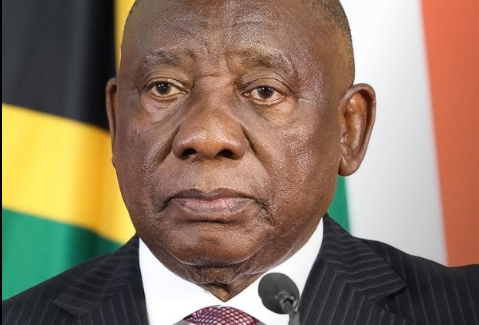
This comes despite President Cyril Ramaphosa’s efforts to position infrastructure investment as a major driver of economic growth. The government has allocated about R1.07 trillion towards infrastructure over the next three financial years.
Nedbank said public-sector investment had started recovering from a low base and renewable-energy investment remained supportive, but warned that these developments were unlikely to produce a sharp turnaround.
“We expect a moderate recovery over the next three years,” the bank said, while warning that US trade policy and the war in Iran posed significant downside risks.
Mixed signals for the economy
Recent economic indicators have painted a mixed picture. Reuters reported that South Africa’s private-sector activity expanded slightly in August, helped by stronger new orders, although the recovery remained restrained.
Manufacturing, however, has remained a concern. Reuters reported that the Absa Purchasing Managers’ Index deteriorated in August, pointing to weaker business activity and a difficult start to the second half of the year.
The outlook is further complicated by geopolitical and external pressures. Nedbank warned that higher oil prices, geopolitical tensions and weaker global growth could encourage businesses to delay investment decisions. Domestic problems, including crime and disruptions in the construction sector, are additional obstacles.
Despite the expected second-quarter weakness, Nedbank forecasts South Africa’s economy will grow by about 1.2% for 2026, only marginally better than the 1.1% recorded in 2025.
The bank expects growth to average just 1.7% over the next three years, well below the pace needed to make a significant dent in unemployment and improve living standards. It said South Africa’s ability to withstand the external shocks would depend on faster reforms in energy, logistics and water.
Follow African Insider on Facebook, X and Instagram
Picture: X/@PresidencyZA
For more African news, visit Africaninsider.com
Compiled by Betha Madhomu