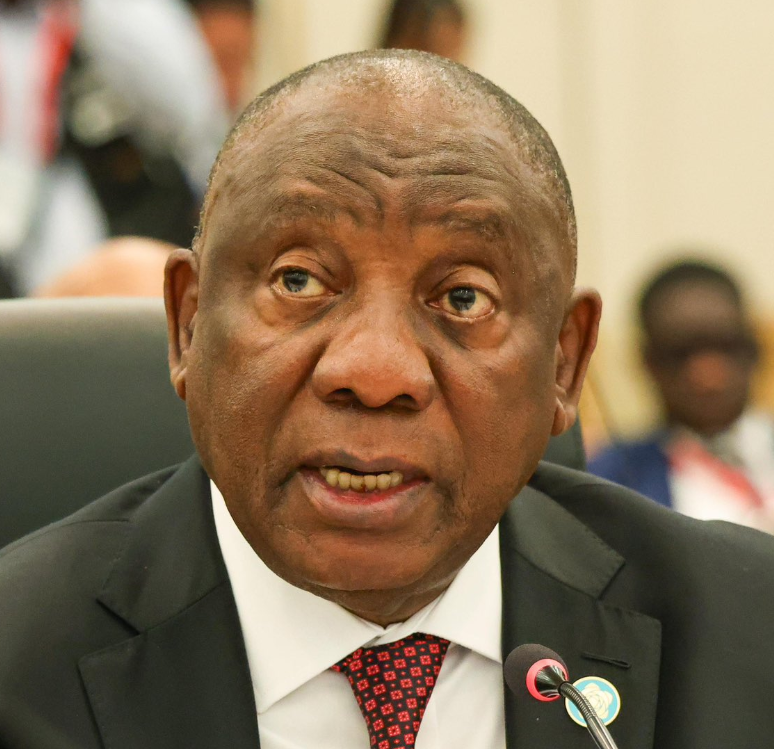
Cape Town – President Cyril Ramaphosa cannot rely on claims of reputational harm or humiliation to avoid facing an impeachment process over the Phala Phala farm scandal, opposition parties have told the Western Cape High Court.
The African Transformation Movement (ATM), Economic Freedom Fighters (EFF), uMkhonto weSizwe (MK) Party and United Africans Transformation (UAT) are opposing Ramaphosa’s application to have the parliamentary report on the Phala Phala matter declared unlawful.
The report found that there was a case for Ramaphosa to answer in relation to four misconduct charges brought by the ATM.
EFF advocate Mfesane Ka-Siboto argued that allowing reputational concerns to prevent impeachment proceedings would undermine the constitutional mechanism itself.
“So, if you are saying for this president, what you need to do is claim threat to national interest, is to claim humiliation, is to claim reputational harm. Those will always apply. Then to the extent that it applies to this president, why should it not apply to the next president?” Ka-Siboto told the court.
He argued that Ramaphosa, if genuinely concerned about his reputation, should have pursued his original challenge against the panel report when it was first issued four years ago.
MK Party advocate Dali Mpofu backed the argument, telling the court that accountability should take precedence over concerns about personal embarrassment.
“The requirement for you to account must supersede some slight personal inconvenience that you might feel or humiliation or whatever it is,” Mpofu said.
Mpofu further accused Ramaphosa of using the court challenge as a delaying tactic to avoid answering questions before Parliament.
The dispute centres on more than $580,000 in cash stolen from Ramaphosa’s Phala Phala farm in Limpopo in 2020. Opposition parties argue that Ramaphosa still owes South Africans an explanation about the circumstances surrounding the money and its handling.
The case has also focused on whether the questions surrounding the stolen dollars are sufficiently connected to the four charges in the ATM’s parliamentary motion. The MK Party argued that issues including how the money entered South Africa, its intended purpose and how it was stored were central to the allegations.
Ramaphosa’s legal team has maintained that the Section 89 panel applied the wrong evidentiary test and failed to properly consider his explanations. His lawyers have also argued that subjecting the president to an impeachment inquiry could cause serious reputational harm.
The opposition parties reject that argument, saying accountability cannot be avoided simply because an impeachment process may be damaging to the president’s reputation.
The Western Cape High Court is considering Ramaphosa’s bid to overturn the report, with the outcome potentially determining whether the parliamentary impeachment process can proceed.
Follow African Insider on Facebook, X and Instagram
Picture: X/@PresidencyZA
For more African news, visit Africaninsider.com
Compiled by Betha Madhomu