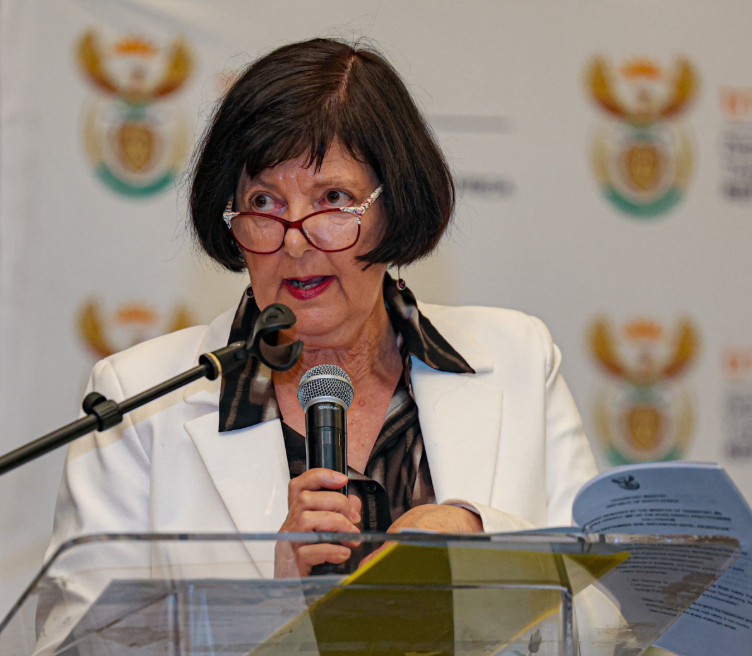
Johannesburg – South Africa is moving closer to introducing a strict zero-percent blood alcohol limit for motorists, with Transport Minister Barbara Creecy saying legislative amendments are being prepared to tighten the country’s drunk-driving laws.
Creecy announced the development at the Road Safety Practitioners’ Colloquium in Ekurhuleni on Wednesday, saying the proposed changes would amend Section 65 of the National Road Traffic Act.
“We are in the process of acquiring approval from the Chief State Law Advisor and Socio-Economic Impact Assessment System (SEIAS) approval to secure cabinet concurrence for this amendment by the end of 2026,” Creecy said.
The proposed amendment would reduce the legal blood alcohol concentration for ordinary motorists from 0.05 grams per 100 millilitres to 0.00g/100ml, while the breath alcohol limit would similarly be reduced from 0.24g/1,000ml to zero. The existing limits remain in force until any new law is formally enacted.
ROAD SAFETY TAKES CENTRE STAGE!
Minister of Transport, Barbara Creecy officially opens the Road Safety Practitioners’ Colloquium, bringing together key stakeholders to drive action, innovation and accountability towards safer roads for all.
Under the theme “Strengthening Road… pic.twitter.com/c8h2PvMqA9
— Department of Transport (@Dotransport) September 2, 2026
The move comes amid continued concern over alcohol-related road deaths. Creecy said more than 18,000 people were arrested for drunken driving between March and the end of August 2026, accounting for about a third of all traffic arrests during that period.
The government says the tougher approach is necessary despite improvements in road safety. According to the Department of Transport, 11,418 people died on South African roads in 2025, although this represented the lowest annual road death toll in five years.
“We cannot normalise our current situation of recording close to 12 000 deaths on South Africa’s roads annually,” Creecy said, adding that government has set a target of halving annual road fatalities by 2030.
The zero-alcohol proposal is not new. It was first announced by former Transport Minister Fikile Mbalula in 2020, but the planned legislative changes were never implemented.
The proposal has previously attracted criticism from road-safety and motoring organisations. The Automobile Association (AA) argued that simply lowering the limit would not address the underlying problem if existing laws are poorly enforced.
Innocent motorists
“Behavioural change is needed to solve this problem and that requires proper enforcement of existing laws, and more intensive education of the dangers of drunk driving,” the AA said in 2020.
The AA also raised concerns about trace amounts of alcohol found in some medicines and everyday products, warning that a zero limit could potentially result in innocent motorists testing positive.
Meanwhile, Parliament’s Portfolio Committee on Transport backed consideration of a total ban on alcohol for drivers earlier this year, saying decisive action was needed after 1,427 people were killed during the 2025/26 festive season.
Creecy said road fatalities have nevertheless begun declining. Government figures show crashes and fatalities fell by more than 6% in 2025 compared with 2024, while crashes during the 2026 Easter period were 24% lower and fatalities 39% lower than the 2024 peak.
The proposed zero-percent policy must still go through the required legal and Cabinet processes before it can become law.
Follow African Insider on Facebook, X and Instagram
Picture: X/@Dotransport
For more African news, visit Africaninsider.com
Compiled by Betha Madhomu