Cape Town – South Africa’s mining companies are accelerating their shift towards renewable energy as they seek to reduce electricity costs, improve energy security and cut their reliance on Eskom.
Major mining groups including Anglo American, Sibanye-Stillwater and Exxaro Resources are investing in or securing renewable power as the industry faces growing pressure to reduce emissions while maintaining competitiveness.
Reuters reported that the move is being driven by miners’ efforts to diversify their electricity supply, lower costs and meet decarbonisation targets, although Eskom’s grid is expected to remain an important source of baseload power for years to come.
Anglo American has taken a partnership approach through Envusa Energy, its joint venture with EDF power solutions.
The company’s renewable energy platform has developed the 520MW Koruson 2 cluster, comprising solar and wind projects in the Northern and Eastern Cape.
The cluster consists of the 240MW Mooi Plaats solar project, the 140MW Umsobomvu wind farm and the 140MW Hartebeesthoek wind farm.
Envusa said the projects became commercially operational during 2026 and are supplying renewable electricity to mining operations including Kumba Iron Ore, De Beers and Valterra Platinum.
The 520MW development forms part of a much larger ambition, with Envusa targeting between 3GW and 5GW of renewable energy capacity by 2030.
The shift is also being driven by the potential cost savings associated with renewable electricity.
According to Mining Weekly, Envusa CEO Nicole Mason said renewable power from wind and solar could be between 20% and 30% cheaper than conventional electricity.
Anglo American is not alone in pursuing alternatives to Eskom.
Sibanye-Stillwater has opted to secure renewable energy through power purchase agreements rather than developing and owning all of its generation capacity.
The company has contracted 835MW of renewable energy capacity, with 164MW already operational, according to the Reuters report. It expects renewable sources to provide about 64% of the electricity demand at its South African operations by the end of 2028.
Sibanye CEO Richard Stewart said the move was not only about reducing emissions but also about improving the company’s financial position.
“Our secured renewable energy portfolio is not only about reducing carbon emissions and enhancing energy security; it is also a business imperative that is expected to deliver meaningful cost benefits,” Stewart said.
However, renewable energy is unlikely to completely replace Eskom in the short term.
The intermittent nature of solar and wind generation, together with the developing state of battery storage, means mining companies will continue to need reliable baseload electricity.
The move towards renewable energy is not limited to mining companies with an explicit focus on reducing fossil-fuel exposure.
Coal producer Exxaro has been expanding its renewable energy business through Cennergi.
Its 68MW Lephalale Solar Project, built to supply electricity directly to its Grootegeluk coal mine, reached commercial operation in April 2026.
The R1.7 billion project is expected to save the mine about R100 million a year in electricity costs while reducing its reliance on Eskom.
Follow African Insider on Facebook, X and Instagram
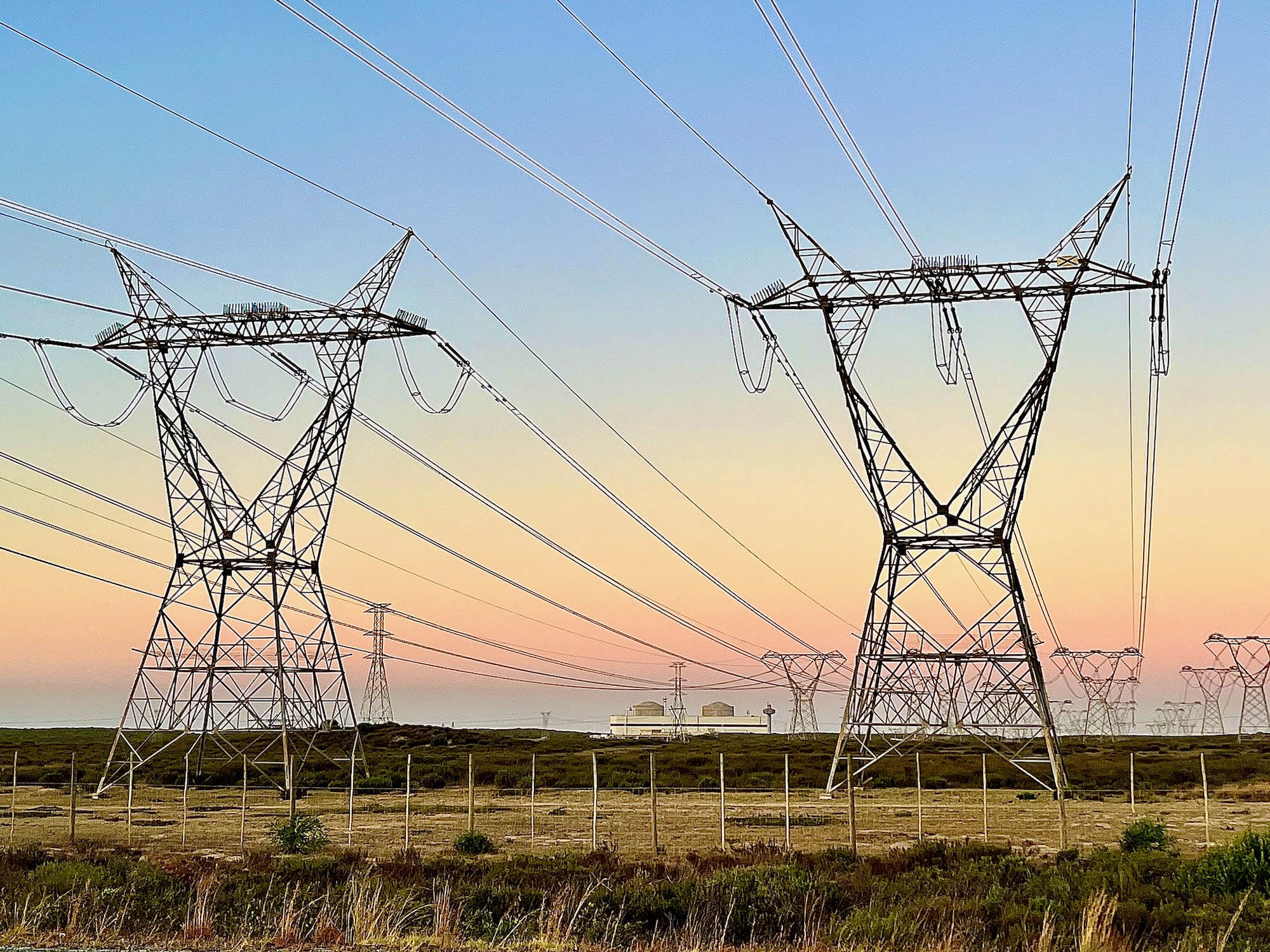
Picture: Groundup
For more African news, visit Africaninsider.com
Compiled by Glaan Sibuyi