Cape Town – A South African-born doctor has helped make medical history after leading a pioneering operation on an unborn baby in the United States, offering new hope to families affected by a rare birth defect.
Dr Michael Belfort, Chief of Obstetrics and Gynaecology at Texas Children’s Hospital in Texas, led a team of specialists who successfully operated on Theo, a baby from the United Kingdom, while he was still in the womb. Theo was diagnosed with gastroschisis, a congenital condition in which a baby’s intestines develop outside the body through an opening in the abdominal wall.
“This particular surgery has taken us 10 years to go from concept,” Belfort said.
According to Eyewitness News, Belfort explained during an interview with CapeTalk that the procedure builds on techniques originally developed to treat spina bifida, a condition in which the lower spine does not close properly before birth. After nearly a decade of performing foetal surgery for spina bifida, he said expanding the approach to treat gastroschisis was the next logical step.
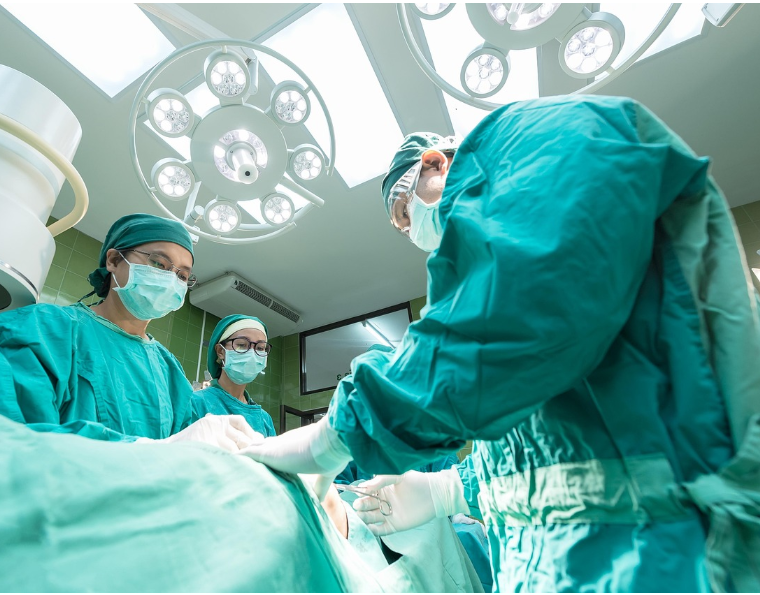
The complex operation begins with an incision in the mother’s abdomen, similar to a Caesarean section. Surgeons then carefully lift the uterus into the operating area before replacing the amniotic fluid with heated, humidified carbon dioxide gas to improve visibility during the procedure.
“We then elevate the uterus out of the abdomen into the surgical area and support that, and then we position the baby, and then we will remove the amniotic fluid and replace that with heated and humidified carbon dioxide gas that we can see through,” Belfort explained.
Using specialised laparoscopic technology and instruments measuring just two millimetres in diameter, surgeons gently guide the baby’s intestines back into the abdomen before closing the opening.
“Very, very gently,” Belfort said when asked how surgeons operate on the delicate intestines of a 26-week-old foetus.
He stressed that every movement must be carefully controlled to avoid tearing the bowel or causing bleeding.
Theo became only the third baby in the world to undergo the procedure. Belfort revealed that the first two patients were babies from Brazil and Mexico, with the operation forming part of a highly regulated clinical trial backed by years of laboratory research, animal studies and surgical simulations.
Recalling the early days of the project, Belfort said the idea was initially met with scepticism.
“When I very first came up with this idea and went to our pediatric surgeon, he told me he thought it was a stupid idea,” he said.
Despite the risks associated with any foetal surgery, Belfort believes the procedure has the potential to significantly reduce the time babies with gastroschisis spend in neonatal intensive care after birth, improving both recovery and long-term outcomes.
View this post on Instagram
According to the BBC, Theo’s mother, Maisie Savage, travelled from London to the United States, where she underwent the surgery while 26 weeks pregnant. Theo, now five months old, is thriving after becoming one of the first babies to benefit from the pioneering treatment.
“The mother, the baby, the surgery, the time of the surgery, the fact that we had zero complications during the foetal surgery and after the foetal surgery, just remarkable,” Belfort told the BBC.
Currently visiting Cape Town, Belfort believes South Africa has both the expertise and facilities needed to perform the operation locally in the future.
He said discussions were already underway with local medical professionals and insisted the country’s biggest challenge is not technology but coordination.
“There’s no question in my mind that there are sufficient facilities, there are absolutely capable people. This is just a matter of will and putting together the team. This could be done in South Africa within the next few months,” he said.
Follow African Insider on Facebook, X and Instagram
Picture: Pixabay
For more African news, visit Africaninsider.com
Compliled by Glaan Sibuyi