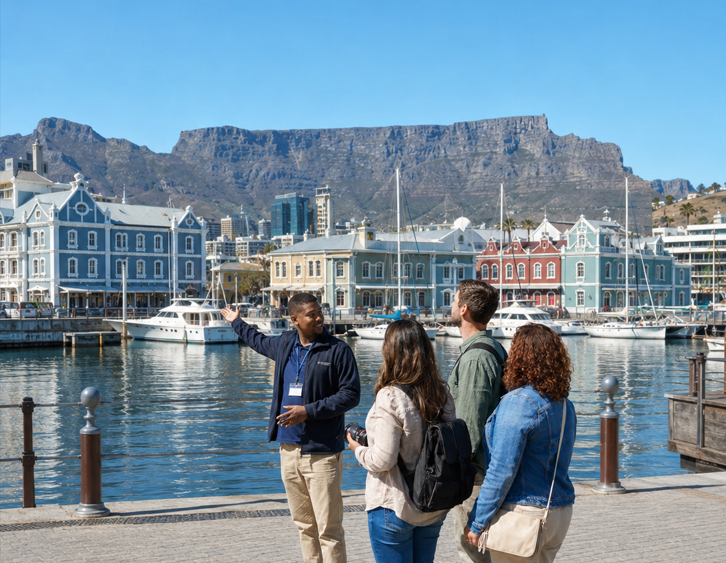
Tourism has become the biggest employer in South Africa, and for good reason. The country has risen in the ranks as a global destination, while domestic travellers have also begun to explore the country in new and enriching ways.
While sectors like mining and agriculture were always seen as pillars of the employment sector, tourism and its many related industries have overtaken these in recent years, creating a vibrant and dynamic place for locals to shine and for visitors to experience true, authentic South African hospitality.
Safaris require a team
Many international travellers come to South Africa to experience the quintessential safari. There is nothing quite like it. These operations provide guests with exciting close encounters of our famous wildlife and the dramatic natural scenery that makes the country so unique.
Operators like MoAfrika Tours give guests immersive experiences in a variety of exquisite lodges and tented camps that bring the bush to life. But while guests are spotting elephants or lions at a nearby watering hole, numerous locals are working behind the scenes to make the experience seamless and authentic. From booking agents to guides and the staff who make the lodges feel like home, the number of people involved in executing an unforgettable safari experience means that employment in this sector is multi-faceted.

The teams that run every safari are locally employed South Africans that depend on the industry’s ongoing success. Because South Africa has become recognized as an affordable destination that delivers quality and authenticity, safaris continue to be a mainstay for international tourists and the sector is thriving. As a result, previously unemployed individuals with a variety of skills are finding more opportunities for a sustainable income, often transforming entire communities and providing hope for their youth.
Tourism supports a network of businesses
When both international tourists and local travellers visit a region, whether on safari or as part of a guided tour, numerous additional businesses benefit. Local gift shops and craft stores, restaurants, even petrol stations and stopovers receive waves of travellers with money to spend.
Each of these local enterprises employs a variety of individuals to run their businesses. Waiters, chefs, cleaners, and shop attendants provide services at every level to create clean, welcoming and enriching experiences. South Africans are well positioned to meet this growing employment demand, especially in the tourism sector, with their famed flair for hospitality and friendliness. Tourists often remark on the warmth with which they are received at every point of their stay, and how the various encounters with local staff who attended them were enjoyable and authentic.
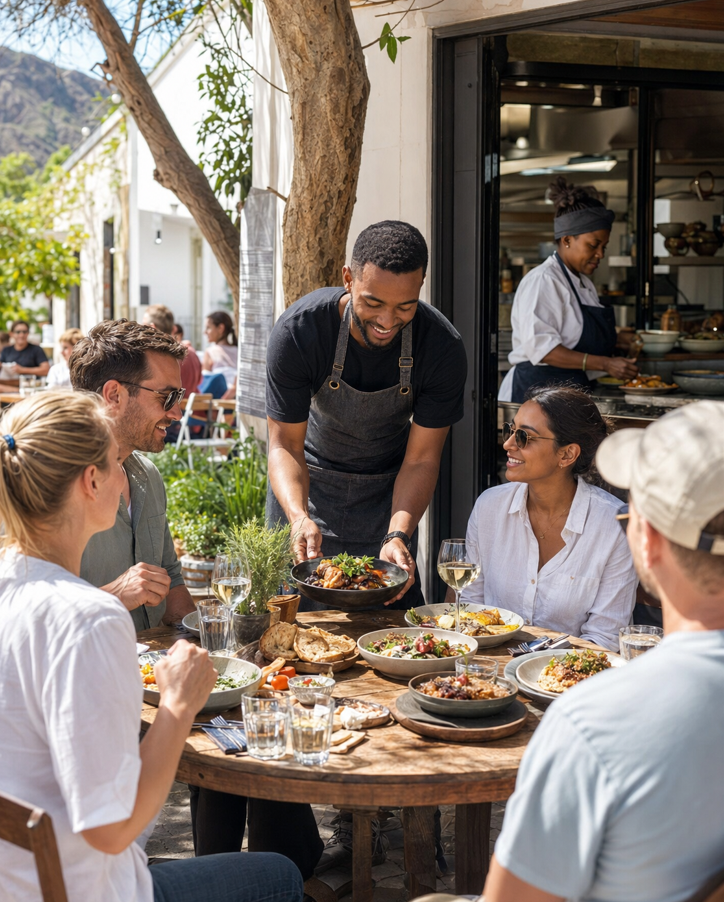
These interactions create a positive cycle that draws repeat travellers and entices new guests, bolstering the tourism sector at every level and continuing to deliver sustainable employment into the future.
Creating room for growth
South Africa has a large youth population that stands to benefit from a strengthened tourism sector. The skills required to meet the increasing number of international and domestic tourists are only growing in demand. Guides, chefs, waiters, booking agents, marketers and hospitality specialists are just some of the ways in which young people can enter this thriving market, develop key skills and go on to create a career that will open the world to them in new and exciting ways.
The future of tourism in South Africa, it seems, is as bright as the smiles of the many people who have placed the industry at the forefront of the world travel stage.